Brand strategy and identity
A branding company for small businesses ready to look as capable as they are
Pain: your work may be solid, but buyers see mixed messages, inconsistent visuals, or a logo that does not explain why they should trust you. Fix: our branding company builds a clear strategy, message, and visual system around the business you actually run. Result: customers understand the offer faster, and your team has practical rules for presenting it consistently.
Sowynet helps service businesses, local brands, restaurants, and growing teams turn scattered ideas into a usable brand. We connect positioning, voice, visual identity, website decisions, and content so the brand works beyond a presentation deck.
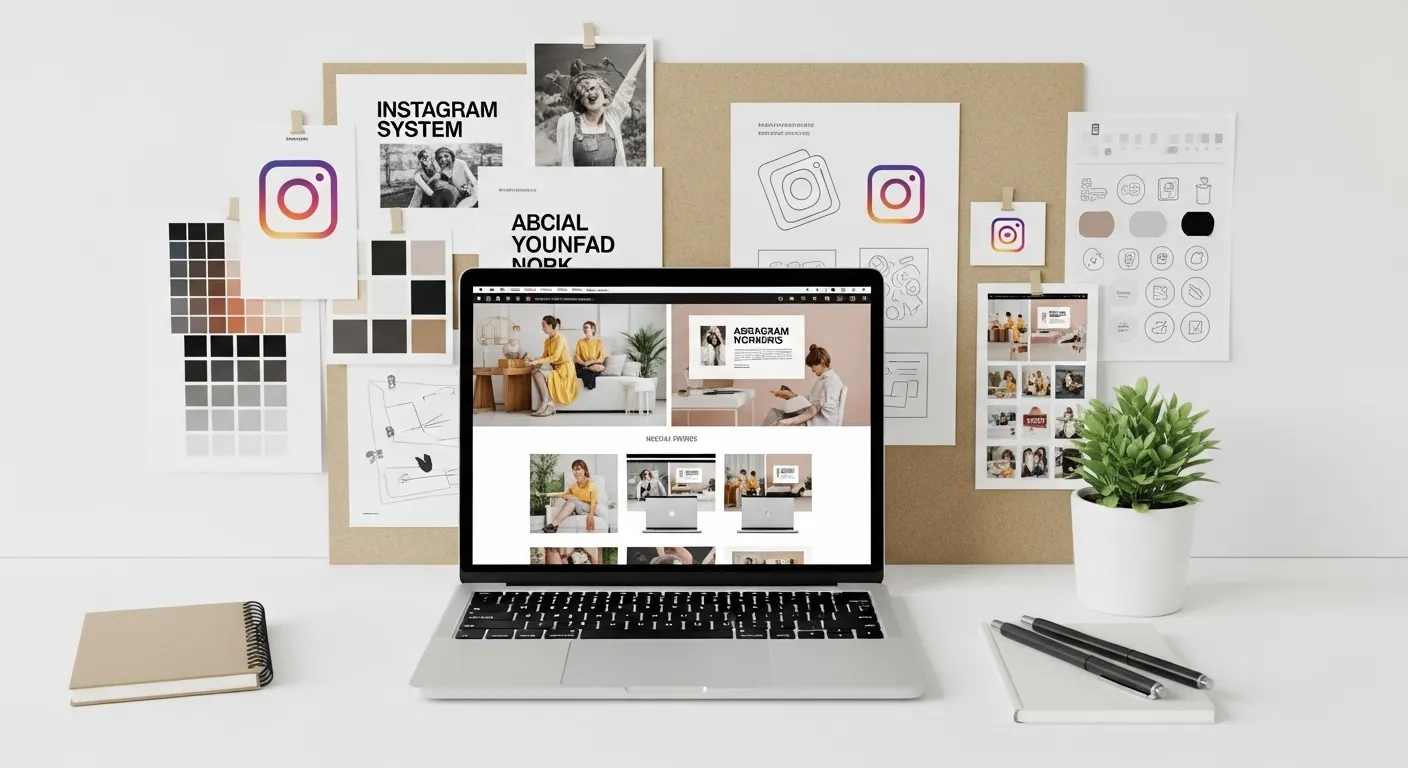
The real problem
When the business has grown but the brand has not
What customers notice
- The website, social profiles, and sales materials feel unrelated.
- The offer sounds similar to every competitor.
- Colors, fonts, and logo versions change from one channel to another.
- The business looks smaller or less established than it really is.
What the team experiences
- Everyone explains the company in a different way.
- New content takes too long because basic design choices keep changing.
- Marketing vendors have no clear standards to follow.
- A rebrand feels necessary, but the starting point is unclear.
Service scope
What our branding company can build for you
Branding should solve business decisions before it decorates them. We start by clarifying who the brand serves, what buyers should remember, and how the offer is different. Then we create the verbal and visual tools needed to express that position in daily work.
Brand strategy
Audience, positioning, competitive context, value proposition, and priorities.
Messaging and voice
Core message, supporting points, tone, taglines, and practical copy direction.
Visual identity
Logo system, color palette, typography, image direction, and graphic elements.
Brand guidelines
Clear usage rules that employees, designers, and marketing partners can follow.
Website alignment
A practical path from brand decisions to page design, copy, calls to action, and trust signals.
Content templates
Reusable direction for social posts, presentations, proposals, and campaigns.
Our process
From scattered ideas to a working brand system
- 1. Discover. We review the business, customers, competitors, current materials, and growth goals.
- 2. Define. We establish the positioning, audience, promise, message, and creative direction.
- 3. Design. We develop and refine the visual identity around the approved strategy.
- 4. Document. We organize the decisions in guidelines your team can understand and use.
- 5. Apply. We help bring the brand into the website, content, social channels, and sales materials.
Before you hire
Branding company selection checklist
- Does the process begin with business and audience questions?
- Are strategy, messaging, and visual identity connected?
- Will you receive usable files and clear ownership terms?
- Do the guidelines explain real applications, not just logo spacing?
- Can the team connect the brand to your website and marketing?
- Are scope, revision rounds, timing, and deliverables written down?
A strong partner should make the project easier to understand before design begins. Clear scope protects the timeline, the budget, and the quality of the final system.
The result
A brand your customers understand and your team can actually use
The finished system should reduce guesswork. Customers see a clearer offer. Employees use the same language. Designers and content partners have standards. Your website, proposals, social media, and campaigns begin to feel like one business instead of separate projects.
That consistency does not guarantee a sale, but it removes avoidable doubt and helps strong work look credible at every customer touchpoint.
Start a branding conversationA practical fit
Who this service is for
This service fits new businesses preparing to launch, established businesses that have outgrown an early logo, and teams entering a new market or service category. It also fits companies planning a website redesign that need to resolve the message and visual direction before page production begins.
If the brand foundation is already strong, you may need execution instead. Explore our content creation services, social media services, or web design services.
Bring to the first call
Helpful project inputs
- Your current logo and marketing materials.
- The services or products you want to prioritize.
- Examples of customers you want more of.
- Competitors buyers compare with you.
- Upcoming launches, locations, or website changes.
- Known deadlines and decision makers.
Frequently asked questions
Branding company FAQ
What does a branding company do?
A branding company defines how a business presents itself, communicates, and becomes recognizable. The work can include strategy, positioning, messaging, visual identity, brand guidelines, and application across websites and social media.
Is branding just a logo?
No. A logo is one part of a visual identity. Branding also covers the audience, value proposition, voice, messaging, colors, typography, and rules that keep the business consistent.
When does a small business need branding?
Branding is useful when buyers do not understand what makes the business different, materials feel disconnected, team members explain the offer differently, or a new stage requires a more professional identity.
Can you apply the brand to our website and social media?
Yes. Sowynet can connect the strategy and identity to the website, content templates, and social channels so the brand works consistently in real customer touchpoints.
How does a branding project start?
A project starts with a conversation about the offer, audience, competitors, goals, and current problems. We then define the scope and the decisions that need to be solved first.