Restaurant marketing
Restaurant Catering Marketing: A Social Media System That Brings Larger Orders
If your catering posts get likes but not quotes, the problem is usually the workflow around them. Here is a practical system that turns social attention into catering calls and booked orders.
Restaurant catering marketing is not about posting more. It is about reducing friction for someone who is already ready to spend. Most catering buyers are planning a date, a headcount, and a budget. They want clear packages, fast answers, and proof that you can execute.
If your team is busy, this has to be simple. You need one clear catering page, a short weekly posting rhythm, and a response standard that does not rely on luck.
This guide is built for local restaurants in Indianapolis, Carmel, and similar markets where buyers compare options quickly and call whoever sounds easiest to work with.
Key takeaways
- Use one catering landing page, not a vague “DM us” message.
- Show packages and minimums so buyers can self-qualify.
- Post proof weekly: photos, reviews, and real event use cases.
- Reply fast: a 15-minute target during business hours wins jobs.
- Track what produces calls and quote requests, not just likes.

Pain - Fix - Result Framework
Why catering posts don’t turn into booked orders
Pain: People see a catering post, then hit a dead end: no packages, no price guidance, and no clear way to request a quote.
Fix: Build one catering page and one response workflow, then run a weekly social rhythm that points to it.
Result: More quote requests, fewer back-and-forth messages, and larger orders that are easier to fulfill.
The “buyer is already shopping” reality
Most catering buyers contact multiple restaurants. They are not trying to be difficult. They just have a deadline and they need certainty.
That means your social content needs to do one job: make it easy to choose you. Not by sounding clever. By answering the basics fast.
- What packages do you offer for common group sizes?
- What is the minimum order, and how much lead time do you need?
- Do you deliver, and what area do you cover?
- How do I place the order and pay?
- Who replies if I message on Instagram at 3pm?
What your catering page needs to convert (simple, not perfect)
Your website does not need a complex catering portal. It needs a clear page that loads fast on mobile and answers buyer questions.
- Packages: 3 options (good / better / best) or by guest count.
- Minimums: a simple minimum order and a lead-time note.
- Service area: delivery radius and pickup location.
- Process: “Request → confirm → pay → pickup/delivery”.
- Proof: one quote, one photo set, one event use case.
- CTA: one short form or “Call for catering” button.
If your menu and offers change often, this is where website support becomes a conversion tool, not a maintenance chore.
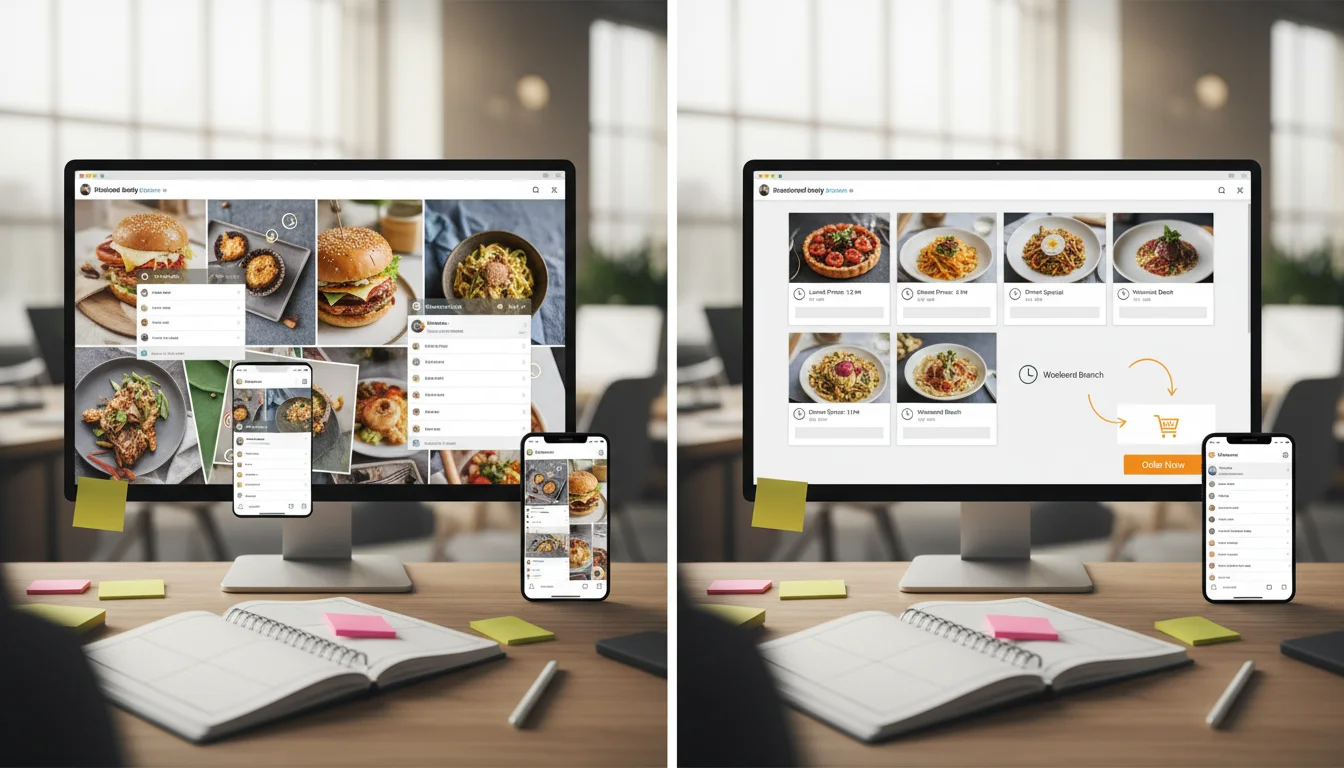
The weekly posting system (3 posts that do the job)
You do not need to “go viral” to book catering. You need repeatable proof and a clear next step.
- Post 1 (proof): a real tray, setup photo, or review tied to catering. One sentence on who it served.
- Post 2 (package): a simple package card or photo carousel that shows what is included.
- Post 3 (reminder): a story or reel that points to the catering page with lead-time guidance.
Pair this with your broader social media services plan so your catering posts support your weekly offers and your Google visibility.
Execution framework
Restaurant catering marketing playbook (30 minutes per week)
Pain: catering leads show up as scattered DMs, missed calls, and last-minute questions that your team cannot answer during the rush.
Fix: set one weekly publishing rhythm, one landing page, and one response standard that gets buyers to a yes or no fast.
Result: more predictable quote requests, cleaner scheduling, and larger orders that feel worth the effort.
- Pick one weekly “catering slot” your kitchen can handle (day/time window).
- Refresh one catering photo set and one package card (reuse is fine).
- Link every catering post to the same catering page or form.
- Set a response owner and a 15-minute target during business hours.
- Use one intake script: date, headcount, pickup/delivery, budget range.
- Review results monthly: quote requests, calls, and booked jobs, not likes.
If you want this installed end-to-end (page, tracking, posting system, and follow-up), book a quick catering review and we will map your first 30 days.
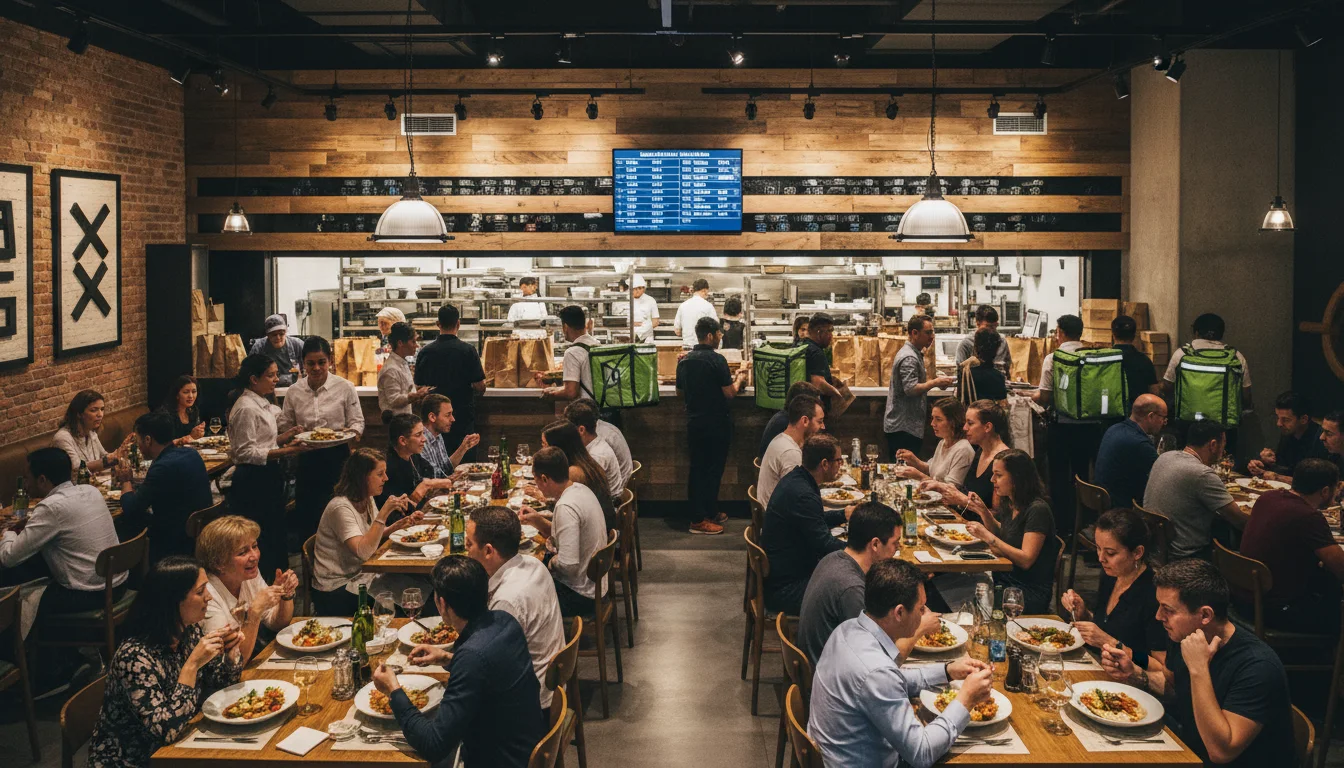
How to handle DMs and calls without losing your mind
Catering marketing fails when your team has no default script. Build one short intake checklist and store it where staff can find it.
Catering intake script: “What date and time? How many people? Pickup or delivery? Any dietary notes? What is your budget range? When do you need confirmation?”
If you miss calls during service, pair this with a follow-up workflow so inquiries do not disappear. Start with our guide on automated follow-up systems for missed calls and web leads.
Where SEO fits (so catering posts compound)
Social is often the spark, but local search is where high-intent buyers confirm trust. The goal is consistency: the same catering offer should show up in your bio link, your website, and your Google presence.
If you want this built as a repeatable system, tie your catering page into your SEO services plan and keep the details updated as part of operations.
Want catering leads you can actually fulfill?
We build the catering page, set up tracking, and install a weekly posting and follow-up system that fits your kitchen capacity.
Book a catering reviewFrequently asked questions
Restaurant catering marketing FAQs
These are the questions catering buyers and restaurant teams ask most often.
What is the fastest way to get more restaurant catering leads from social media?
Send every catering post to one clear catering page with packages, minimums, and a simple request form. Then reply within 15 minutes during business hours.
Should a restaurant post catering on Instagram every day?
No. Most restaurants do better with a weekly rhythm: one catering proof post, one package or menu post, and one reminder story that points to the catering page.
What should a restaurant catering page include to convert?
A short catering menu or package list, minimum order guidance, service area, lead time, delivery or pickup options, and one clear way to request a quote.
How do you price catering without scaring people away?
Use simple starting points and minimums instead of a giant menu. Many teams show 3 packages, add-ons, and a note that exact pricing depends on guest count and timing.
How long should it take to respond to a catering inquiry?
Treat catering like a high-intent lead. A same-day reply is the floor. A 15-minute target during business hours wins more jobs because shoppers contact multiple restaurants.
Summary you can reuse
Short version for owners and teams
Pain: catering posts get attention but buyers cannot find packages, minimums, or a clear way to request a quote. Fix: one catering page, a weekly proof-and-package posting rhythm, and a fast response standard with a simple intake script. Result: more quote requests, fewer dead-end DMs, and larger orders that are easier to fulfill.