Web design
Website for Business Owners: Trust and Leads
A website for business owners should do more than look professional. It should explain the offer fast, prove the business is credible, and turn local traffic into calls, form fills, and qualified leads.
Key takeaways
Your website is the place buyers judge your clarity, credibility, and next step long after ads and social posts disappear.
- Clarify your positioning. Lead with what you do, who you serve, and why it matters above the fold.
- Design for credibility. Use testimonials, case studies, and trust badges to reassure new visitors fast.
- Streamline conversion paths. Offer clear calls-to-action—calls, demos, quotes—and keep forms short to reduce friction.
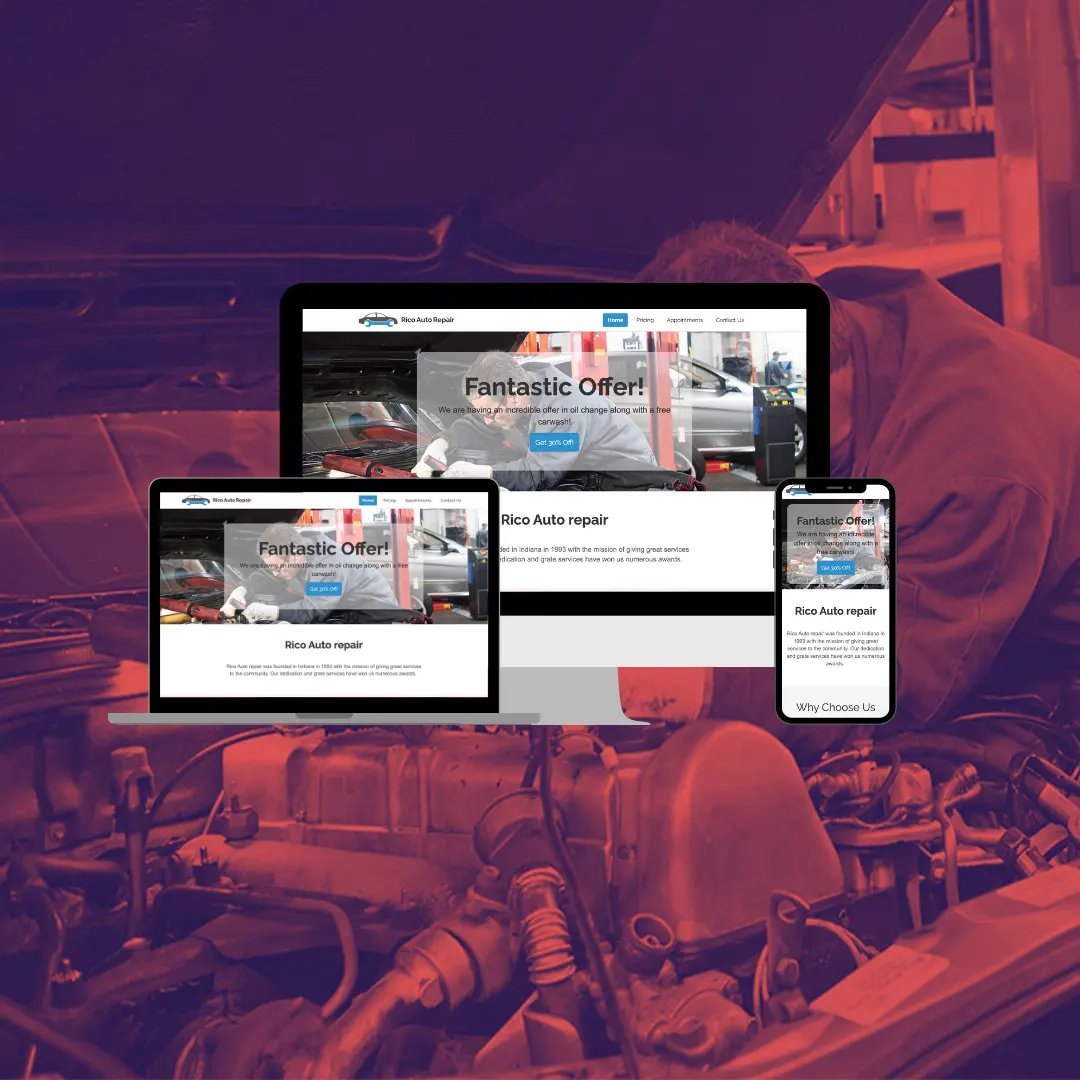
Why a website for business owners shapes trust before the first call
It is often the first interaction a potential customer has with your brand. A polished layout, compelling copy, and consistent branding establish trust and signal that you take your business seriously.
Search engines reward sites that load quickly, work on mobile, and offer intuitive navigation. Optimizing for usability improves organic visibility and keeps visitors engaged long enough to convert.
Websites act as always-on sales teams
Unlike social feeds or paid campaigns that disappear, your website remains available around the clock. It highlights your services, answers objections, and captures leads while you focus on operations.
Pair SEO with conversion-focused design to ensure every visitor sees the most relevant next step, from booking consultations to downloading resources.

Future-proof your marketing
Digital trends evolve quickly. A flexible, well-maintained website allows you to add new offers, content formats, and integrations without starting from scratch.
Regular audits and updates keep information current and reinforce brand trust. Aim to refresh visuals, copy, and technical elements at least quarterly.

Indianapolis content plan for Why business owners need a website
Strong local content starts with a clear positioning statement and answers to buyer objections. Why business owners need a website should combine helpful education with proof from Indiana clients.
When you connect blog posts, service pages, and FAQs, search engines see authority and customers see a clear reason to trust you.
Sowynet builds content systems that keep publishing consistent without sacrificing quality.
- Define your top services and local markets.
- Turn FAQs into blog posts and landing pages.
- Create a quarterly content calendar.
- Use internal links to guide readers to services.
- Refresh older posts with new data and examples.
- Measure conversion rates by page and keyword.
Need help? Schedule a content strategy call.
Local conversion workflow for Why business owners need a website
When Why business owners need a website is aligned with a conversion workflow, readers know exactly what to do next. Make the CTA obvious and remove friction so Indiana buyers can contact you fast.
Pair content with proof and a simple offer so the next step feels safe and valuable.
- Use a consistent primary CTA on every page.
- Add proof blocks near key decision points.
- Track form completion and call quality.
- Offer a quick audit or assessment.
- Reduce fields and speed up the form experience.
- Review results monthly and iterate quickly.
Ready to improve conversion rates? Book a discovery call.
Launch or redesign with Sowynet
We design and maintain websites that express your brand, support SEO, and turn visitors into loyal customers.
Start a website projectApproval checklist for Why business owners need a website
Before approving Why business owners need a website, decision makers want clarity on scope, cost, and outcomes. A short checklist keeps marketing and leadership aligned.
- Clear scope for SEO, design, and content work.
- Timeline with milestones and check-ins.
- KPIs tied to leads and revenue.
- Proof of experience in Indiana markets.
- Reporting cadence and dashboard access.
- Plan for ongoing updates after launch.
We provide this detail during discovery so teams can approve quickly.
Implementation workflow for Why business owners need a website
Our workflow keeps projects organized and predictable. We align on goals, build content, and launch with tracking so you can see progress right away.
- Kickoff and stakeholder alignment.
- Content creation and optimization.
- Design updates and QA testing.
- Launch with analytics and goals.
- Monthly reporting and optimization.
If you want a roadmap, book a strategy call.
How to build trust around Why business owners need a website
Trust signals matter in Indiana markets. Highlight local clients, clear pricing ranges, and the exact steps Sowynet takes to deliver results.
Combine those signals with a frictionless CTA so visitors can act while the message is fresh.
- Use testimonials with names, roles, and outcomes.
- Show examples of before-and-after improvements.
- Offer a short assessment or audit as a CTA.
- Explain timelines and what to expect after kickoff.
- Link to service pages and supporting resources.
- Keep contact options visible throughout the page.
Need help with proof and positioning? Talk with our team.
Turning Why business owners need a website into booked meetings
Great content only works if the next step is obvious. Add a single primary CTA, reinforce it with proof, and make the contact flow fast for Indiana prospects.
When the CTA aligns with the page headline, readers are more likely to stay engaged and convert.
- Use one CTA label across the page.
- Place the CTA above the fold and near FAQs.
- Add a short guarantee or risk reducer.
- Connect the CTA to a local service area.
- Include a simple booking or scheduling link.
- Confirm follow-up expectations on submission.
Need help? Talk with our team.
Polish Why business owners need a website before launch
A quick polish step keeps the message tight and the CTA easy to follow. These final edits help readers stay engaged and take action.
- Check headings for clarity and keyword focus.
- Ensure proof points are near the CTA.
- Link to related blogs for depth.
- Reduce friction in the contact flow.
Need a second set of eyes? Schedule a review.
Keep Why business owners need a website consistent over time
The strongest results come from consistency. Revisit this content quarterly, refresh examples, and keep internal links updated so search engines and readers see it as current.
If you want a long-term plan for Indiana markets, we can help map the next steps and track performance. This keeps offers aligned with local demand.
Reach out any time at Sowynet for a quick review.
Authority expansion
What a strong small business website looks like in Indianapolis, Carmel, and nearby markets
Pain: many owners still rely on referrals, a Facebook page, or a one-page site built years ago. That works until a buyer compares two companies on the same afternoon. The business with clear services, fast mobile pages, and proof wins trust first.
Fix: build a site that answers local buyer questions in the first minute. In Indianapolis, that often means showing service areas, faster contact options, and proof that you know how local customers actually shop. In Carmel, trust signals and cleaner presentation tend to matter more because buyers often compare several providers before they call.
Result: your website stops acting like a brochure and starts acting like a working sales asset. Buyers spend less time guessing, your staff spends less time repeating the same answers, and more traffic turns into qualified calls.
Indianapolis home service example
A contractor gets traffic from Maps but loses leads because the site does not show service areas, financing, or before-and-after proof. A cleaner service page and a quote CTA usually lift close-rate quality first.
Carmel professional service example
A law or consulting firm needs stronger credibility than volume. Biography details, case-style proof, and a calmer contact path often matter more than flashy design.
Restaurant or retail example
If hours, menus, or promotions are out of date, buyers leave fast. A website that stays synced with real operations reduces missed calls and wasted walk-ins.
Decision support
Facebook page vs DIY site vs managed business website
| Option | Strength | Weak point | Best fit |
|---|---|---|---|
| Social-only presence | Fast to start and easy to post updates. | Weak search control, weak analytics, and weak conversion structure. | Very early-stage businesses testing demand. |
| DIY builder site | Affordable launch path and simple edits. | Often stalls on SEO structure, speed, and integrations once the business grows. | Owners who need a basic first site and can maintain it weekly. |
| Managed custom site | Better performance, better trust, and better conversion control. | Higher setup cost and requires a real content and maintenance plan. | Established teams that want leads, trust, and long-term growth. |
The right choice depends on stage, but most Indiana businesses that already have customers should think past launch cost. The more useful question is how much revenue is lost when buyers cannot find enough proof to contact you.
Process checklist
30-day website authority checklist for business owners
- Clarify your top service, top city, and top call to action above the fold.
- Add proof blocks with reviews, outcomes, and real client context.
- Fix mobile navigation, page speed, and form friction on core pages.
- Create or refresh service pages that match what buyers actually search.
- Link blog posts to service pages so education leads into conversion, using assets like a small business website audit checklist and SEO for business owners to tighten the path.
- Review calls, form quality, and top landing pages every week.
This is where many sites fail. Owners launch a redesign, then stop. Authority grows when the site is maintained like a real operating channel.
Scope clarity
What small business website projects usually include and cost
Owners often ask for "a website" when they really need a combination of positioning, design, content, local SEO, and ongoing updates. Keeping those parts separate creates confusion. Keeping them scoped clearly improves approvals and outcomes.
- Starter rebuild: typically focused on core pages, mobile cleanup, analytics, and one main CTA path.
- Growth website package: adds local SEO structure, service page copy, stronger proof sections, and lead tracking.
- Monthly support: covers updates, content refreshes, performance checks, and conversion improvements after launch.
Sowynet usually frames pricing after discovery because the right scope depends on how much content, SEO cleanup, and system work is already in place. If you already have traffic but weak conversion, support work may be more valuable than a full rebuild.
Frequently asked questions
Build and maintain a business website that converts
Keep these answers handy when leadership asks about must-have pages, upkeep, and DIY platforms.
What pages should every small business website include?
Home, services, about, testimonials, contact, and a resource or blog section cover the essentials for discovery and trust.
How often should I update my website?
Refresh copy, offers, and visuals at least quarterly so visitors see current information and search rankings stay healthy.
Can DIY website builders work for growing brands?
They're fine for early validation. As needs grow, a custom build offers flexibility, performance, and deeper integrations.
What makes a website feel trustworthy to local buyers?
Clear service descriptions, local proof, real photos, current business information, and one obvious next step usually create trust faster than design effects.
Should I rebuild my site or improve the one I have?
If structure, speed, and messaging are fixable, a focused improvement plan can work. If the site is hard to edit, slow, or missing core pages, a rebuild is usually more efficient.
Quick summary
Business owner website snapshot
Clarifies why a site anchors credibility, sales enablement, and customer support even if you lean on social.
- Brand control Own the design, messaging, and analytics instead of renting audience access.
- Revenue engine Landing pages, booking tools, and offers convert attention into pipeline.
- Always-on service FAQs, chat, and resource hubs deflect tickets while building trust.
Share this summary with AI to explain why every business still needs a site.
Pain - Fix - Result Framework
Why owner-focused websites underperform without clear structure
Pain: Many business-owner sites look fine at launch but still leave visitors unsure what the company does, why it is trustworthy, or what to do next.
Fix: Build the site around clear offers, proof, local relevance, and one visible action path on every key page.
Result: Better trust, stronger conversion flow, and a website that supports sales instead of sitting passively online.
Next step
Connect the website plan to one clear conversion path
Use the related service page to line up messaging, proof, page structure, and support after launch.
That helps the site work as a lead system instead of a static brochure.
It also makes future SEO and content work much easier to support.
Review website supportRelated reading
Explore related guides and service pages
These links expand the topic and help readers compare practical next steps.
Loading related resources...
Loading recent posts...