Live client websites
Public launches include ecommerce, restaurant, landscaping, event, and contractor websites with live URLs on the projects page.
Proof before promises
Sowynet proof matters most when it is easy to inspect. A pretty website is not enough if calls stay flat. SEO activity is not enough if the owner cannot see which pages, queries, and fixes moved the business forward.
This page explains the proof we use across web design, SEO, support, networking, and technology work. It points to live client websites, separates public examples from design concepts, and shows how we connect the pain, the fix, and the result before a project becomes larger than it needs to be.
Direct answer
Useful proof is not just a nice homepage screenshot. It should show what bottleneck was being fixed, what pages or systems changed, and what the team can inspect afterward. That might be a clearer service page, a cleaner lead path, stronger local search alignment, better uptime, or reporting that makes the next decision easier.
If a project cannot explain the pain, the fix, and the resulting business change in plain language, the proof is probably too vague to trust.
Project proof
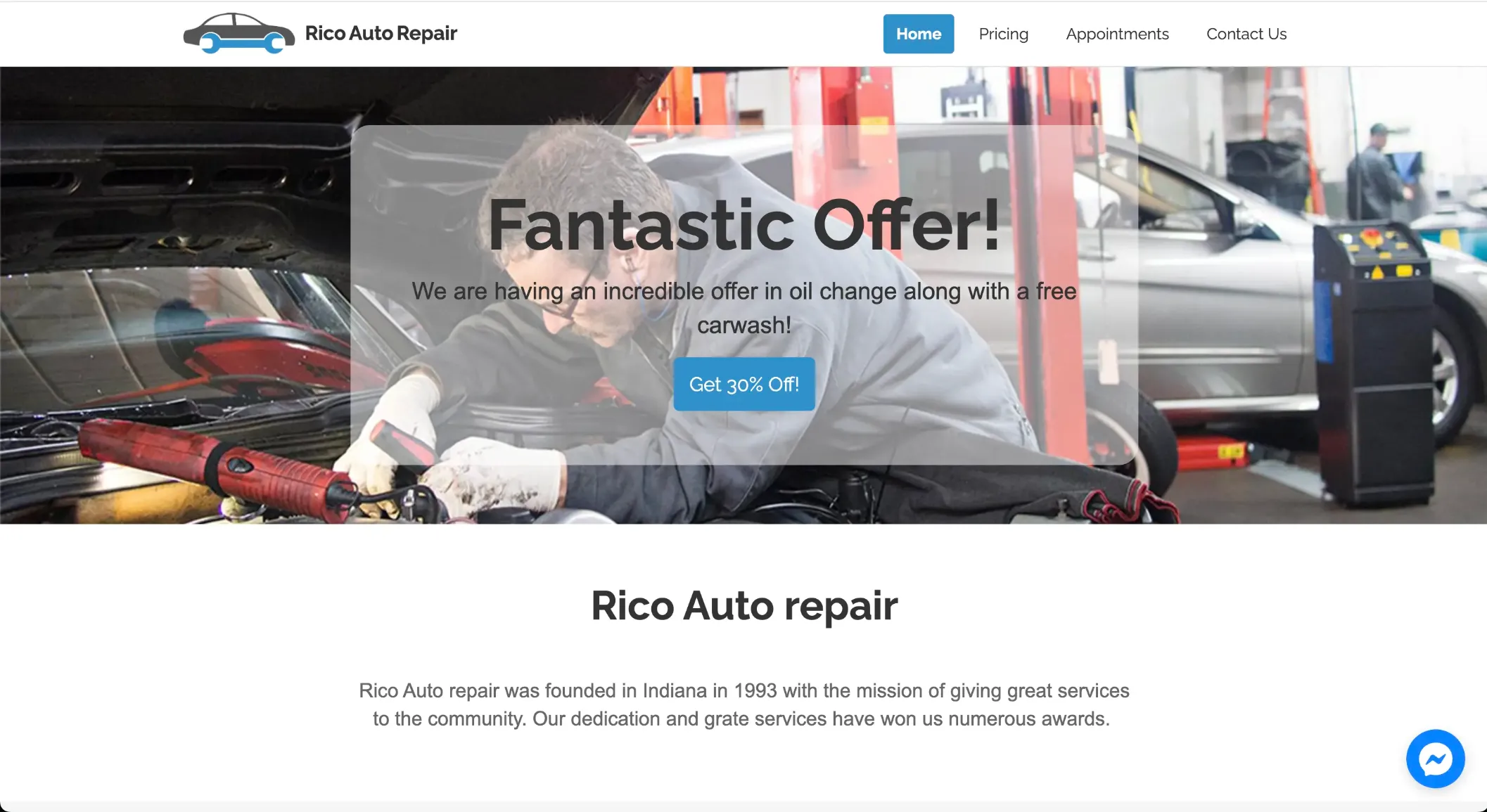
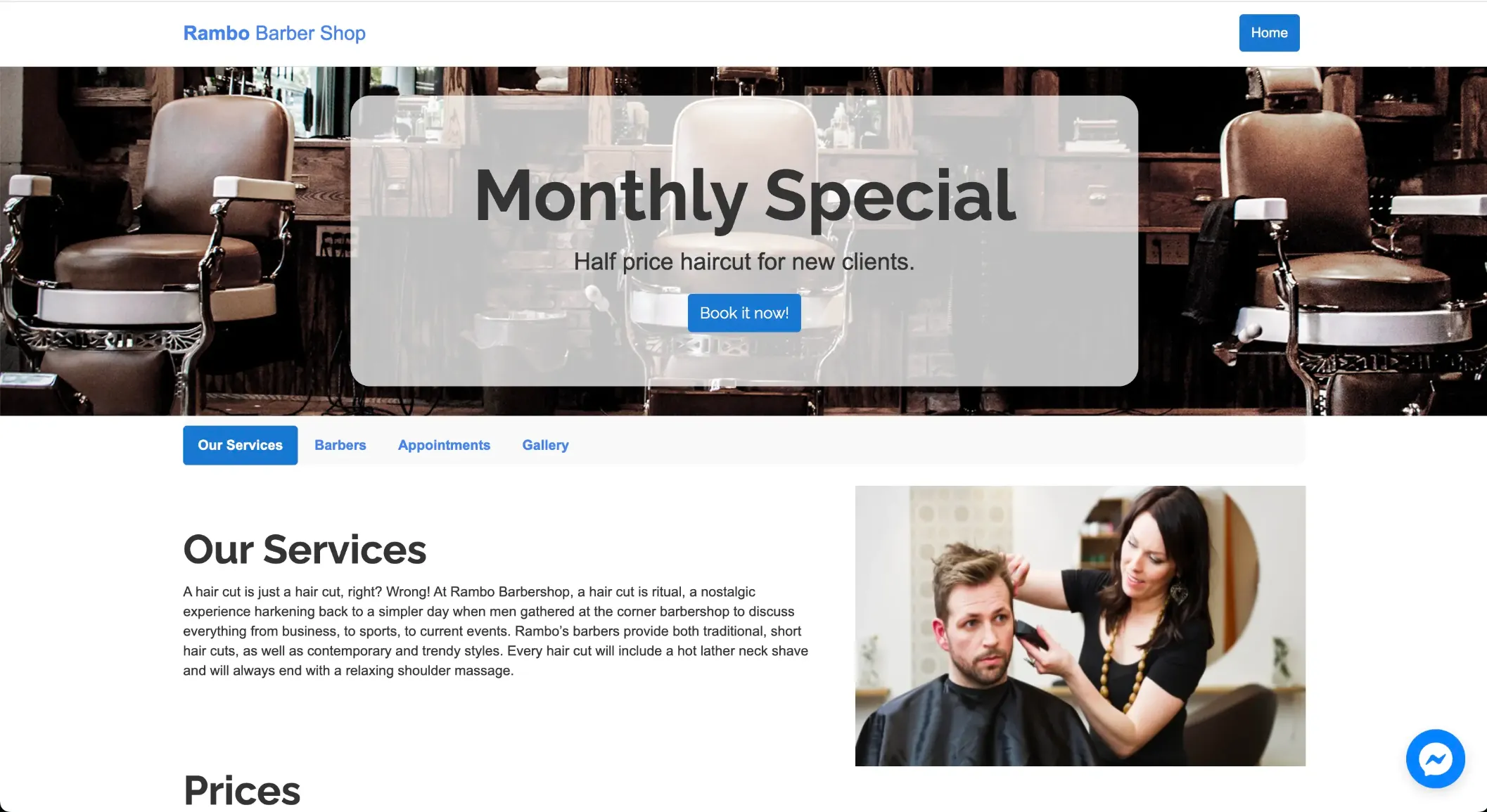
Portfolio examples help buyers judge message clarity, trust signals, and execution quality before they ever ask for private metrics. Public proof should make the next business question easier, not noisier.
Public proof map
The strongest public signal is live work that a buyer can open, test on mobile, and compare against the service promise. We separate live client websites from demos and design concepts so the proof stays clear.
Live client websites
Public launches include ecommerce, restaurant, landscaping, event, and contractor websites with live URLs on the projects page.
Inspectable execution
Each public example can show buyer paths, service structure, menu or product access, local details, contact flow, and page clarity.
Private metrics policy
Analytics, revenue, and lead data are shared publicly only when approved. When numbers stay private, we explain scope and review method instead.
What we prove
Pain
Many sites have services, forms, and pages, but the visitor still has to guess what to do next. We look for friction in offers, navigation, trust signals, and contact paths.
Fix
A project should name the page, query, form, system, or workflow that needs improvement. That keeps strategy connected to execution.
Result
After launch, the team can inspect visibility, leads, speed, uptime, or support volume and decide what deserves the next sprint.
Proof sources
Proof can come from a portfolio build, a before-and-after content review, a Search Console query change, a speed cleanup, a fixed lead path, or a cleaner support process. The point is not to make every project sound dramatic. The point is to show what changed and why it matters.
For public pages, we keep proof conservative. Some client metrics are private, and some portfolio items are demos or in-progress builds. When numbers are available and approved, we use them. When they are not, we explain the scope, decision, and expected business function.
Project evidence
Service business builds focus on clear offers, local trust, contact paths, and pages that support high-intent search. Review the portfolio for auto repair, salon, painting, healthcare, and home-service examples.
View projectsSEO work is strongest when one page owns one intent. We align titles, headings, schema, internal links, and reporting around the service a buyer is actually searching for.
Review SEO servicesMonthly support protects rankings and conversion by catching stale pages, broken forms, slow assets, redirects, and content updates before small problems become expensive.
See support scopeProof snapshots
Snapshot 1: local service website
Pain: buyers could not tell which service to ask for first. Fix: tighten hero copy, service structure, proof placement, and contact paths. Result: the site becomes easier to trust and easier to review with the owner.
Snapshot 2: SEO cleanup
Pain: the business had rankings but weak conversion support. Fix: map one query to one page, improve titles and FAQs, and strengthen internal links. Result: visibility gains are easier to connect to real next steps.
Snapshot 3: support and operations
Pain: small recurring issues kept stacking up. Fix: add a maintenance rhythm for forms, redirects, content, and system checks. Result: fewer avoidable problems and clearer ownership between reviews.
Live project pattern
Pain: restaurant visitors often need menu access, hours, location, order paths, and confidence before they call or visit. Fix: public restaurant builds use menu-first navigation, location details, food visuals, FAQ support, and local SEO structure. Result: the website becomes easier for customers, owners, and search engines to understand.
Live project pattern
Pain: homeowners hesitate when services, photos, and next steps are thin. Fix: public contractor and landscaping examples use clearer service pages, project proof, estimate paths, and local relevance. Result: the site gives buyers enough context to take the next step without hunting for basic information.
Visibility momentum
When visibility improves, the work should become more disciplined. We review which pages are gaining impressions, which snippets are weak, where calls or forms should improve, and which proof points need to move closer to the buyer path.
Search Console
Queries, pages, CTR, and position.
Lead path
Calls, forms, booking clicks, and friction.
Proof layer
Projects, outcomes, process, and trust signals.
Next sprint
The smallest useful fix with a clear owner.
Checklist
FAQ
Only when the client approves it. Some projects use private analytics, so we avoid exposing numbers without permission.
Useful proof includes which page owned the target query, what changed on that page, how the snippet or internal links improved, and whether the visitor path to a call or form became clearer after the work shipped.
Yes. Start with the projects page, then review the service pages that match your need. A call can add private context when available.
We look for the pages with momentum, improve CTR and conversion paths, then add proof or content where the buyer still needs confidence.
Next step
If your visibility is moving up, now is the time to tighten snippets, proof, service pages, and lead paths. We can review the current data and choose the next useful sprint.
Book a proof and visibility review