Safety and compliance
Warehouse Safety Analytics and Compliance for 3PLs
Use AI safety analytics to reduce incidents, speed reporting, and keep compliance audits clean.
3PL logistics leaders in Indianapolis and across Indiana are under pressure to raise throughput without adding headcount. A focused warehouse safety analytics plan helps protect SLAs, reduce overtime, and keep clients happy.
Most 3PLs already capture data in WMS, TMS, labor, and yard systems. The gap is turning that data into simple daily actions that teams can follow without disrupting operations.
This guide shows how Sowynet builds AI software services that improve warehouse safety analytics with dashboards, alerts, and workflow automation.
Key takeaways
Build a focused plan that improves throughput and keeps client SLAs on track.
- Focus the bottleneck. Use the warehouse safety analytics baseline to identify the slowest step.
- Apply AI signals. Prioritize tasks and staffing decisions with real-time alerts.
- Prove the ROI. Track KPIs that clients and finance leaders trust.
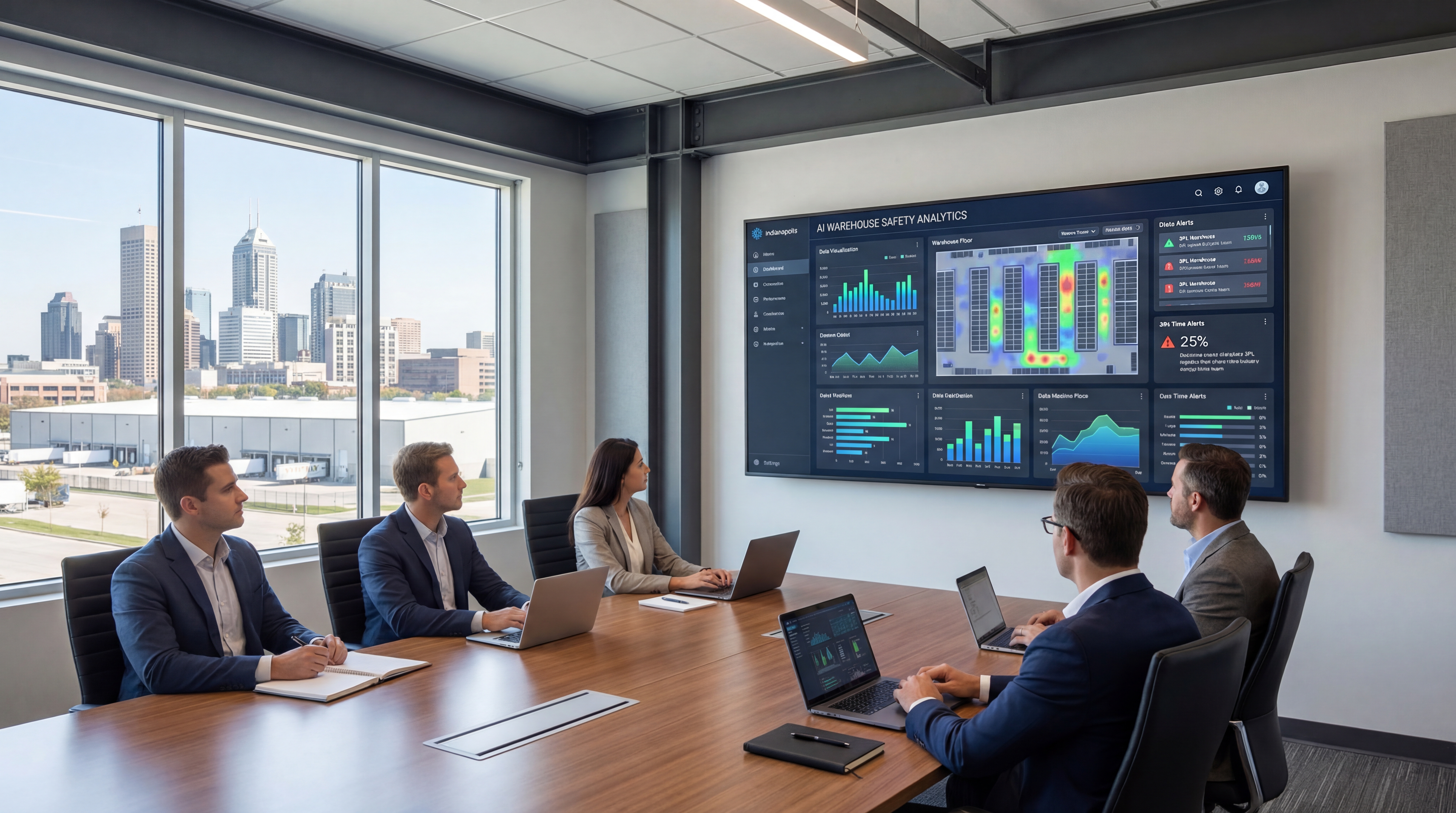
Why warehouse safety analytics matters for 3PL operations
A clear baseline keeps teams aligned on what to fix first and where productivity leaks. Small delays compound across clients, shifts, and dock schedules.
Use this section to align supervisors, IT, and client stakeholders around the same metrics.
- Incidents are not logged consistently.
- Root-cause reviews are slow and manual.
- Training gaps show up during audits.
- Safety data is siloed across systems.
Where AI improves warehouse safety analytics
AI does not replace the WMS. It layers smarter decisions on top of current systems so leaders can move faster without disrupting operations.
- Near-miss pattern detection.
- Training completion tracking by role.
- Safety audit checklists with reminders.
- Automated incident summaries and trends.
Pair this playbook with Warehouse KPI Dashboards That 3PL Leaders Actually Use, AI Warehouse Productivity Audit for 3PL Logistics Teams, and Multi-Site Warehouse Analytics for Regional 3PLs for a full 3PL productivity roadmap.
Data and integrations to connect
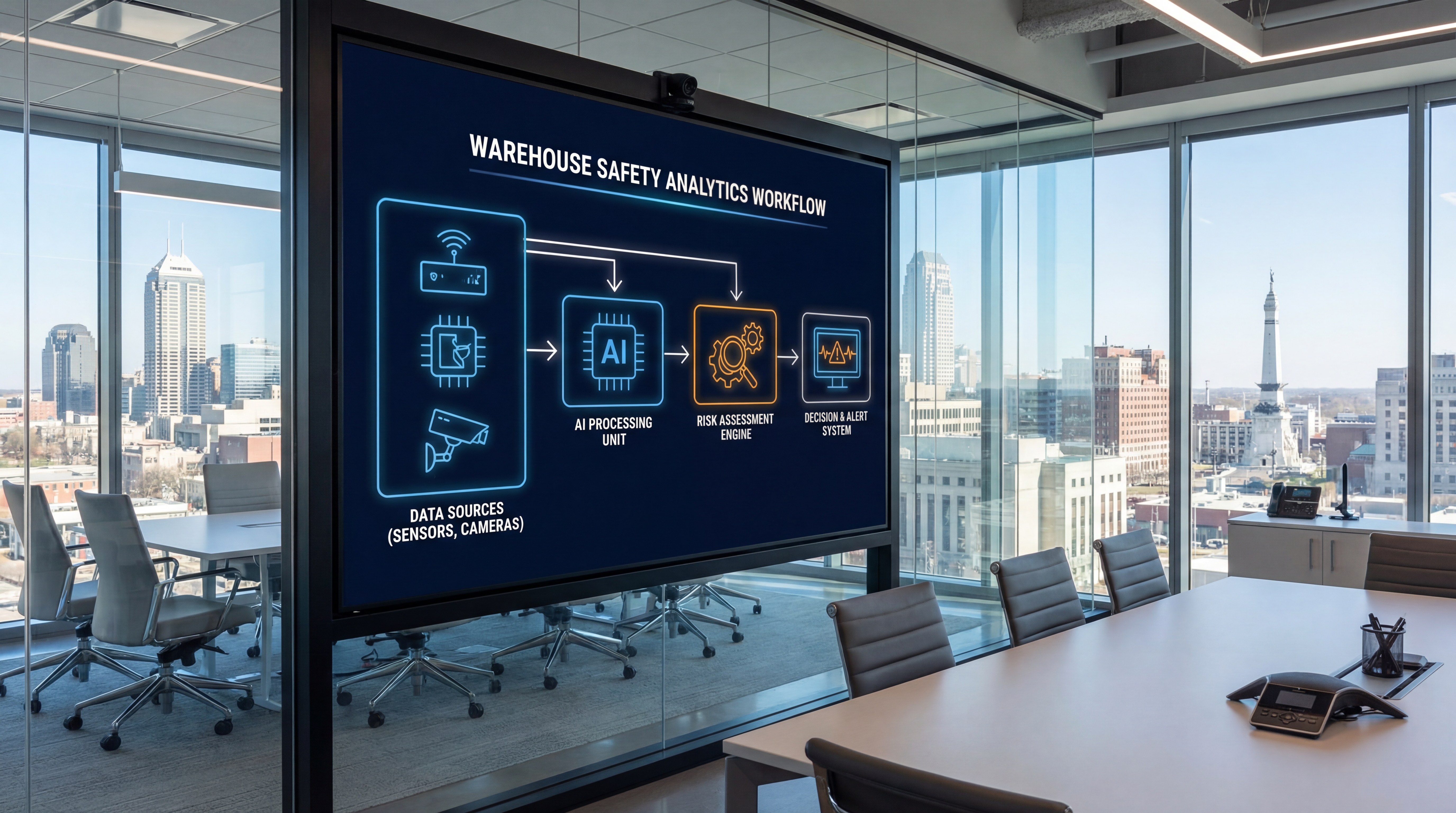
The fastest wins come when WMS, labor, and transportation data connect into one view. Sowynet builds the integrations so teams get insights without manual exports.
- Incident reports and safety logs.
- Training records and certifications.
- Camera or sensor safety data.
- HR and shift schedules.
See what we offer or recent projects for examples of our software delivery.
Playbook: warehouse safety analytics improvement roadmap
Use this phased plan to protect SLAs while you improve the workflow.
- Define safety KPIs and audit requirements.
- Centralize incident and training data.
- Deploy AI detection for repeat risks.
- Automate audit preparation checklists.
- Train supervisors on safety dashboards.
- Review safety trends monthly.
If you want this done-for-you, our team can lead the audit, build the dashboards, and coach supervisors through the rollout.
KPIs to prove productivity gains
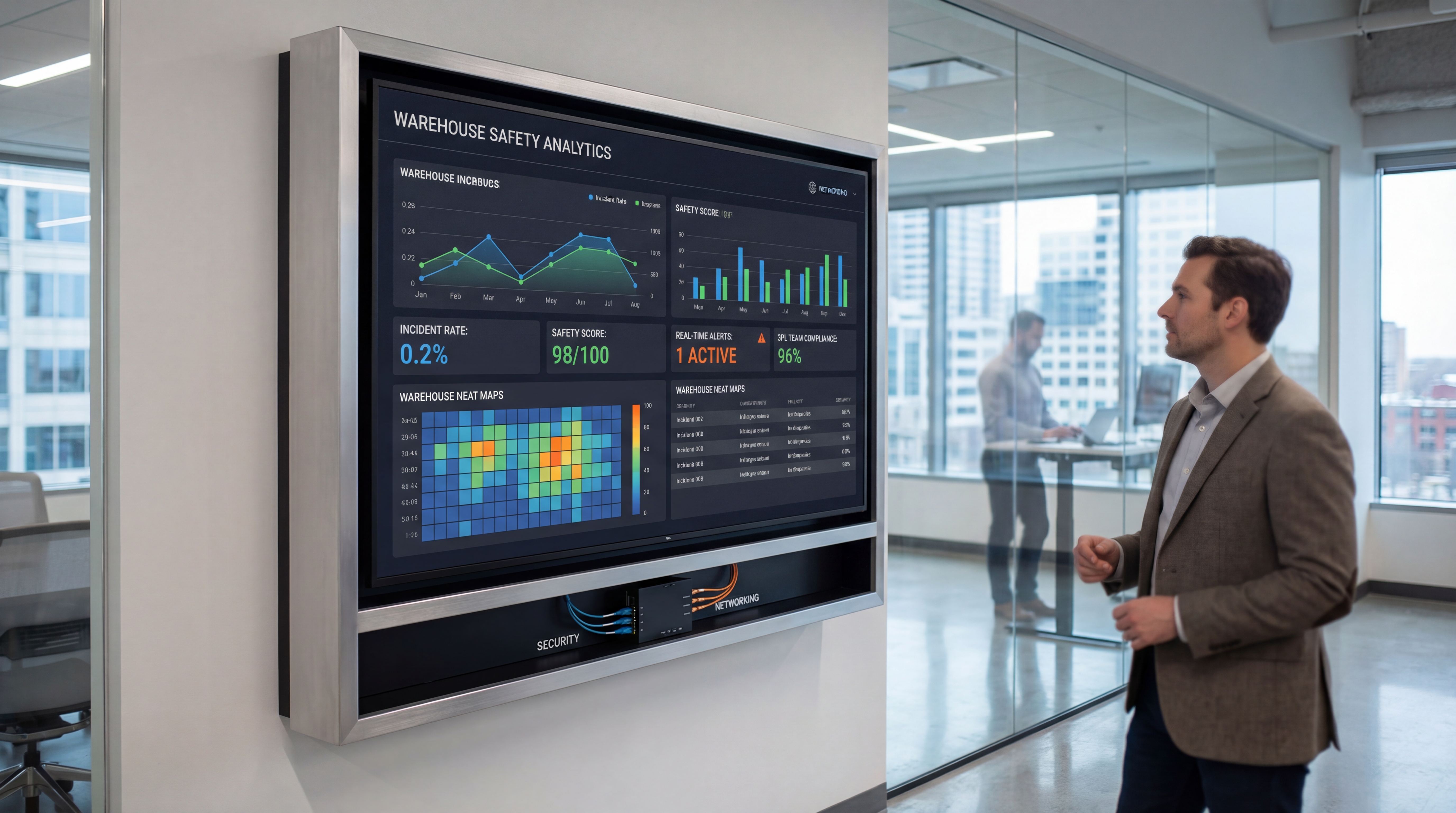
Leadership needs proof. Track KPIs that connect productivity to client outcomes and labor cost.
- Incident rate per 200k hours.
- Near-miss reporting volume.
- Training completion by team.
- Audit findings and repeat issues.
Common mistakes that stall results
Most delays come from small oversights. Avoid these traps to keep momentum.
- Only reporting after incidents occur.
- No safety ownership or accountability.
- Siloed HR and safety data.
- Ignoring behavior-based trends.
How Sowynet supports logistics teams
Sowynet builds AI dashboards, integrations, and workflow automation that improve productivity without disrupting operations. We work with logistics teams across Indiana and deliver clear documentation, training, and ongoing support.
Ready to talk? Schedule a meeting and we will map a custom plan for your sites.
Local rollout plan for Warehouse Safety and Compliance Analytics in Indiana
Indiana 3PL teams succeed with Warehouse Safety and Compliance Analytics when the rollout starts with process clarity. Outline inbound, picking, and shipping handoffs by client so each shift knows what to protect and where to improve.
Use a two-week baseline period to capture throughput, overtime, and exception aging. Those metrics become the scoreboard for AI alerts and supervisor coaching.
From there, connect WMS data with labor plans and appointment schedules to spot bottlenecks before they hit the dock. A small pilot zone builds confidence before you scale the playbook.
- Inventory the top five client SLAs and high-risk SKUs.
- Confirm RF and scanner data quality across shifts.
- Standardize wave labels and exception categories.
- Build a daily supervisor scorecard with three KPIs.
- Set alert thresholds tied to dock departure windows.
- Plan weekly reviews with ops, IT, and account leads.
Need a guided rollout? Schedule a logistics discovery call and we will map the steps with your team.
Measurement framework for Warehouse Safety and Compliance Analytics
A strong measurement plan keeps Warehouse Safety and Compliance Analytics from turning into another dashboard that no one trusts. Define the KPI owners, refresh timing, and escalation rules before you roll out alerts.
Pair the data with a weekly operating rhythm: Monday throughput review, midweek exception check, and a Friday labor vs. volume recap. That cadence turns insights into actions.
- Dock dwell time and inbound-to-putaway speed.
- Picker productivity by zone and equipment.
- Exception recovery time and root-cause tags.
- Cycle count variance and inventory accuracy.
- Labor utilization by shift and daypart.
- Client experience scores tied to on-time shipping.
When you are ready for a full rollout, book a logistics AI review and we will build a roadmap.
Ready to improve warehouse safety analytics?
We handle audits, integrations, and AI dashboards that help 3PL leaders move faster with confidence.
Book a logistics AI reviewWhat 3PL leaders ask before Warehouse Safety and Compliance Analytics
Before approving Warehouse Safety and Compliance Analytics, Indiana operations leaders want clear answers about data quality, visibility, and adoption. A good plan shows how the workflow will change on the floor, not just in dashboards.
Use the questions below in stakeholder meetings so IT, ops, and account teams stay aligned.
- Which locations or clients will pilot first?
- How will alerts reduce overtime and rework?
- What data gaps could slow implementation?
- Who owns KPI definitions and reporting cadence?
- How do we keep dashboards trusted by supervisors?
- What does success look like after 90 days?
A focused answer for each item speeds approvals and keeps timelines realistic.
Implementation timeline for Warehouse Safety and Compliance Analytics
Most Indiana 3PL teams can stand up Warehouse Safety and Compliance Analytics dashboards in a few weeks if data access is clear. We focus on the minimum data set needed to unlock quick wins, then expand after the pilot proves value.
Our team provides documentation, training, and KPI reviews so the system stays in use after launch.
- Week 1: process mapping and KPI alignment.
- Week 2: data pulls and model validation.
- Week 3: dashboard build and alert tuning.
- Week 4: pilot launch and supervisor training.
- Week 6+: scale and monthly reviews.
Ready for a rollout? Book a discovery call to map your timeline.
Execution framework
How to make Warehouse Safety Analytics and Compliance for 3PLs work in weekly operations
Pain: many operations leaders do not lose because effort is low. They lose because planning, publishing, and follow-up happen in separate tools, so no one owns a weekly rhythm. That creates delays, inconsistent messaging, and mixed conversion quality.
Fix: treat Warehouse Safety Analytics and Compliance for 3PLs like an operating system, not a one-time campaign. Use one owner, one weekly review, one clear CTA, and one scorecard. Keep language simple and local so your team can execute without rewriting every page from scratch.
Result: your content becomes easier to rank, easier to trust, and easier to convert. Readers understand the next step, staff knows what to update, and leadership sees progress in calls, qualified leads, and booked meetings.
- Define the one conversion action this page should drive.
- Answer one core buyer question per section in plain language.
- Add proof near decision points: examples, outcomes, or process clarity.
- Link to the most relevant service page and one related implementation guide.
- Review CTR, time on page, and lead quality every week.
- Refresh weak sections first instead of rewriting the full post.
If you want this turned into a working pipeline, book a strategy call and we will map the first 30 days with your team.
Frequently asked questions
Common logistics questions
Share these with operations leaders to speed approvals.
Can AI replace safety audits?
No. AI supports audits with better data and faster preparation.
Will this help with OSHA reporting?
Yes. Automated reporting reduces manual effort and errors.
How do we improve adoption?
We train supervisors and tie dashboards to daily routines.
Quick summary
Warehouse Safety Analytics at a glance
A short summary you can share with leadership to explain the value.
- Safer floors Spot risks before incidents happen.
- Audit ready Automate reports and compliance evidence.
- Stronger culture Use data to reinforce safe behavior.
Use this summary to give your team quick context.
Pain - Fix - Result Framework
From reactive safety reviews to measurable compliance control
Pain: Safety programs weaken when incidents, near-misses, and compliance gaps are reviewed too late or without clear operational context.
Fix: We align safety analytics, compliance checks, and exception review so the site can act before small risks become repeat events.
Result: Better safety visibility, stronger audit readiness, and more consistent follow-through on corrective actions.
Next step
Apply this topic with a safety analytics plan
Start with the incident types, zones, and compliance checks where risk is least visible today.
Then connect safety reviews to KPI reporting, corrective action ownership, and trend analysis so the team can intervene earlier.
That gives the site a stronger operating system for safety and compliance.
View the related service pageRelated reading
Explore related guides and service pages
These links expand the topic and help readers compare practical next steps.
Loading related resources...
Loading recent posts...