Restaurant Growth Guide
Do SEO Services Work for Small Restaurants? Practical 2026 Playbook
Do SEO services work for small restaurants? Yes, but only when the work goes beyond one audit PDF. Owners see real lift when SEO support is connected to Google Business Profile updates, review operations, conversion-ready pages, and a weekly execution rhythm your team can actually sustain.
Key takeaways
SEO works for small restaurants when it is run like operations, not random tasks.
- Pain: spending on marketing but still losing map clicks and bookings.
- Fix: connect profile quality, reviews, web conversion, and local content.
- Result: steadier calls, reservations, and lower ad dependency.
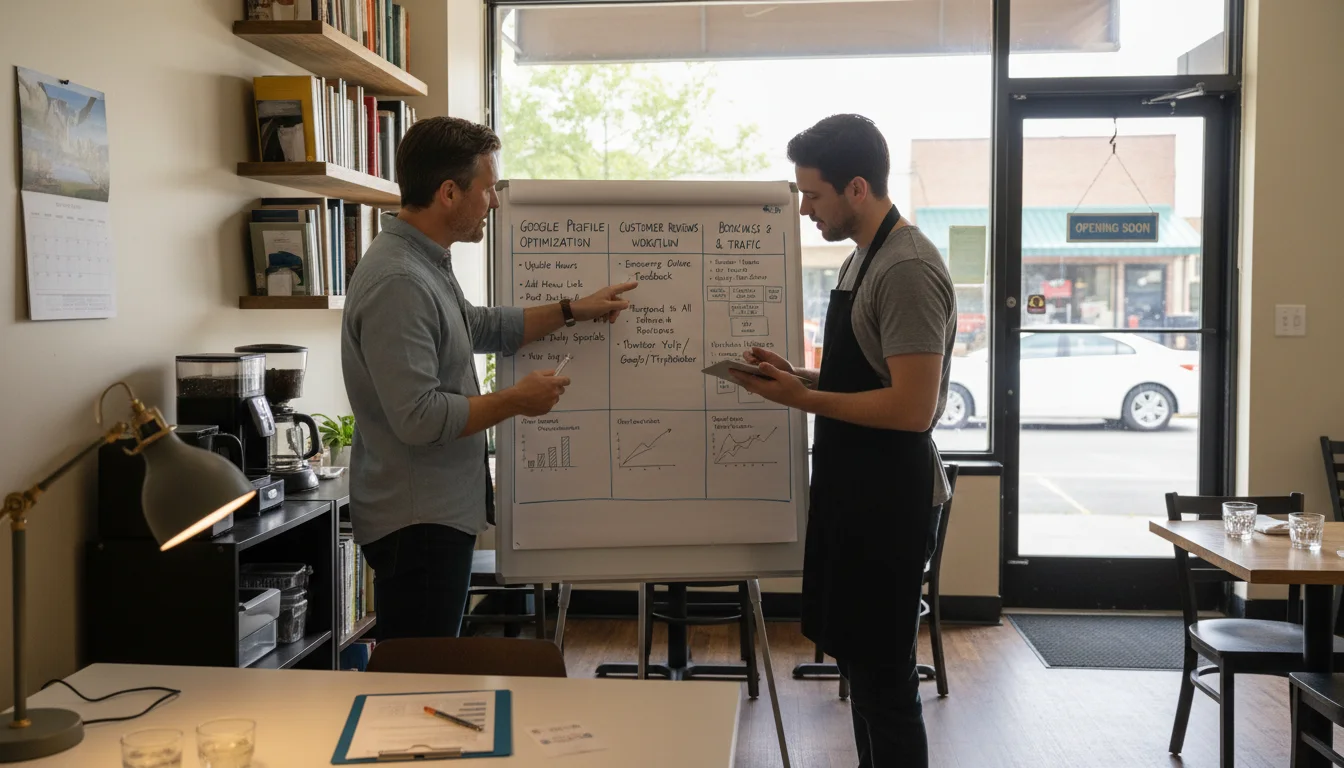
Why owners feel SEO is "not working"
Pain shows up fast. You pay for content or monthly SEO support, but your Friday dinner demand still swings. Map impressions look flat. Calls do not match traffic. Staff asks if you should "just run more ads."
That frustration is usually not about SEO itself. It is about disconnected execution. One vendor handles keywords, another posts social updates, nobody owns review response standards, and your website still has friction in booking paths. Result: activity goes up, outcomes stay flat.
Small restaurant teams need simple systems. If the plan requires enterprise process, it will break by week three.
Do SEO services work for small restaurants when execution is tight?
Yes. They work when the service includes four connected layers: profile, reputation, website conversion, and local content operations. If one layer is missing, growth slows down and owners assume SEO failed.
A high-performing restaurant SEO service should set clear weekly deliverables, not vague promises. You should know what got updated, what moved, and what the next priority is. That reporting discipline is what turns SEO from cost into operating leverage.
Pain: random SEO activity with no owner visibility. Fix: one shared weekly scorecard that tracks profile actions, review response speed, page fixes, and conversion events. Result: your team sees progress in business terms, not abstract ranking language. This is where restaurant SEO services become useful for small operators that need control, speed, and practical accountability.
Pain -> Fix -> Result model for restaurant teams
Pain
Profile views rise but bookings stay weak.
Fix
Align offer messaging, menu paths, and profile CTAs to one clear action.
Result
Higher action rate per profile impression and cleaner booking flow.

What a working restaurant SEO service includes
- Google Business Profile operations: category checks, offer updates, menu and booking link hygiene.
- Review workflow: asking at the right moment, response templates, and response-time targets.
- Website conversion improvements: fast mobile pages, clear menu hierarchy, direct booking/order actions.
- Local intent content: pages and FAQs tied to real neighborhood demand.
- Reporting rhythm: weekly execution notes and monthly KPI review tied to revenue events.
If your provider cannot show this level of clarity, ask for a simpler operating plan. Complexity is the enemy of consistency in small restaurant teams.
In Indianapolis and similar local markets, the strongest plans are the ones that map SEO tasks to the same operational rhythm as staffing, prep, and promotions. If the SEO process fights your schedule, it will not last. If it fits your schedule, it compounds.
Natural extension: the new Sowynet menu image enhancer
In practice, SEO traffic converts better when dish visuals look credible and consistent. That is why we now pair execution plans with our menu image enhancer when image quality is a bottleneck.
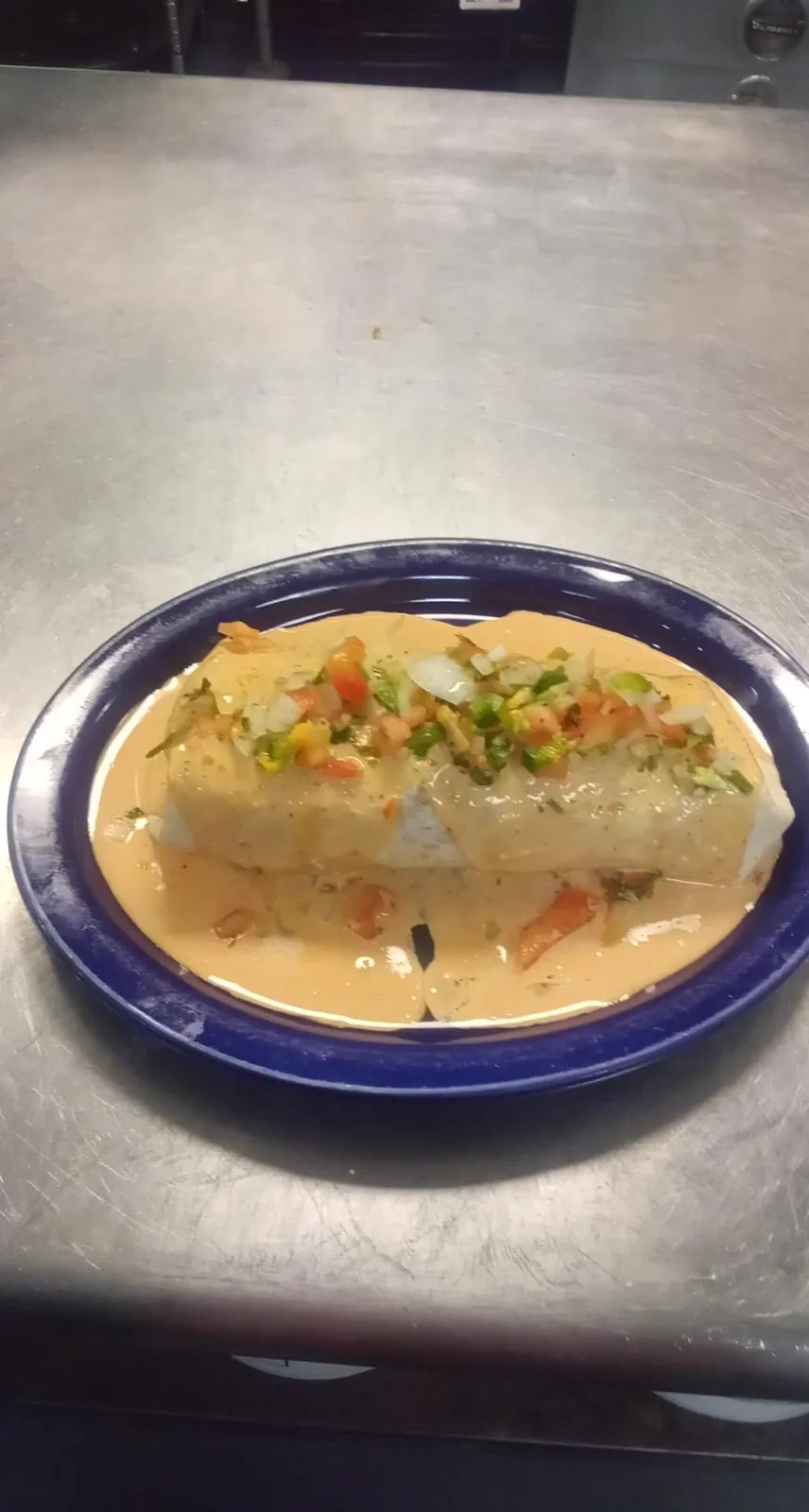
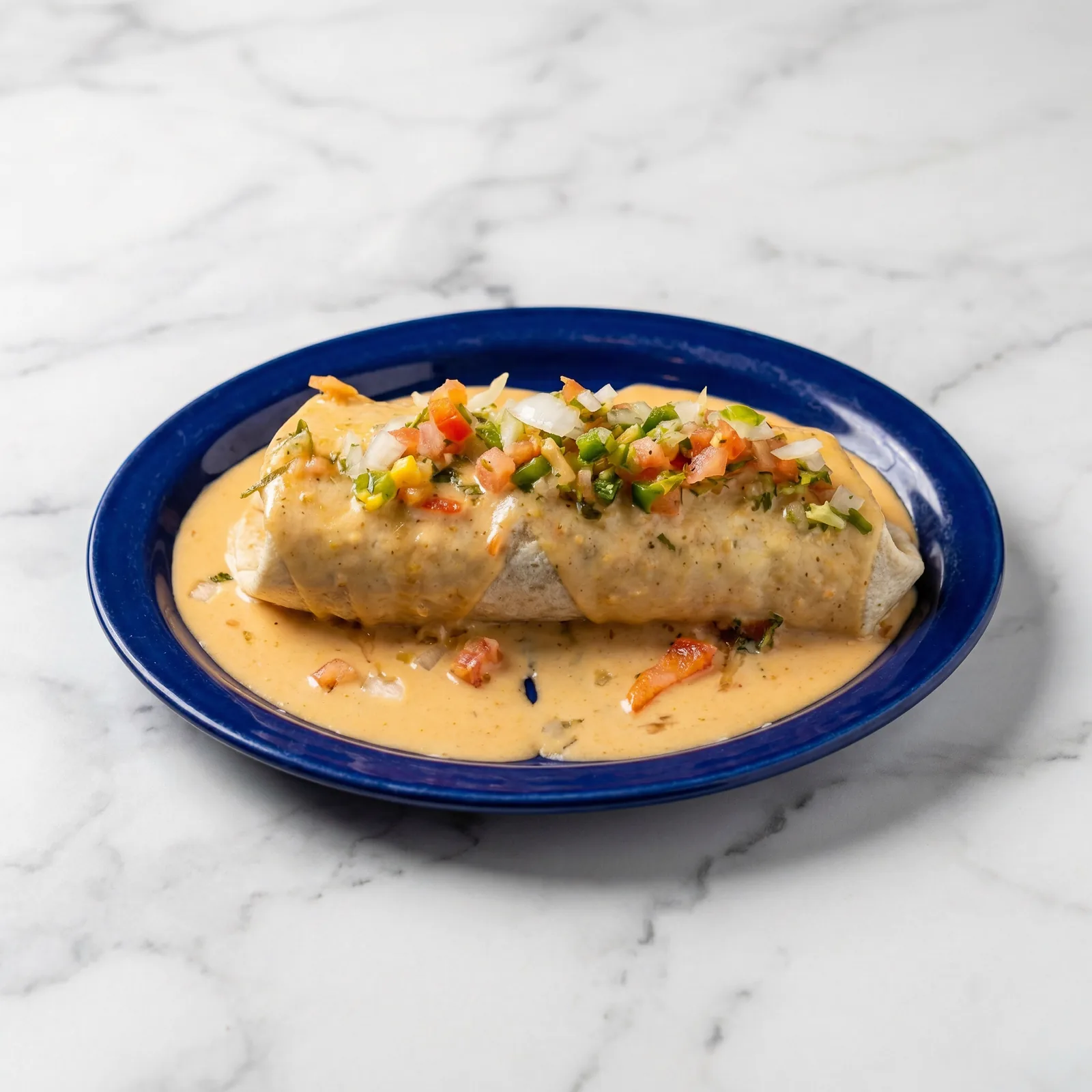
See how this works end to end in the full menu image enhancer blog.
90-day rollout for small operators
- Weeks 1-2: audit profile, map top local queries, fix conversion leaks on key pages.
- Weeks 3-4: launch weekly profile posts and standardized review responses.
- Weeks 5-6: publish location-supporting content and schema-backed FAQs.
- Weeks 7-8: compare baseline vs current map actions and assisted conversions.
- Weeks 9-10: optimize underperforming pages and links to booking or ordering flows.
- Weeks 11-12: scale what worked and pause low-impact tasks.
Where small restaurant SEO programs usually break by week four
Most SEO plans do not fail because of Google updates. They fail because ownership is unclear. A manager thinks marketing owns reviews. Marketing thinks front-of-house owns review asks. Nobody owns booking-link quality. By week four, tasks are half done and momentum disappears.
Fix this with one owner per workflow. Assign one person to profile updates, one to review response SLA, and one to page conversion checks. Keep roles simple. You do not need a large team. You need explicit ownership and a recurring check-in.
- Operational risk: profile updates happen only when someone "has time."
- Simple fix: 20-minute Tuesday profile block on the calendar.
- Operational risk: reviews answered inconsistently across shifts.
- Simple fix: response templates with one voice and one target response window.
- Operational risk: landing pages get traffic but no action.
- Simple fix: monthly conversion check for top menu and booking pages.
How to prove ROI without guessing
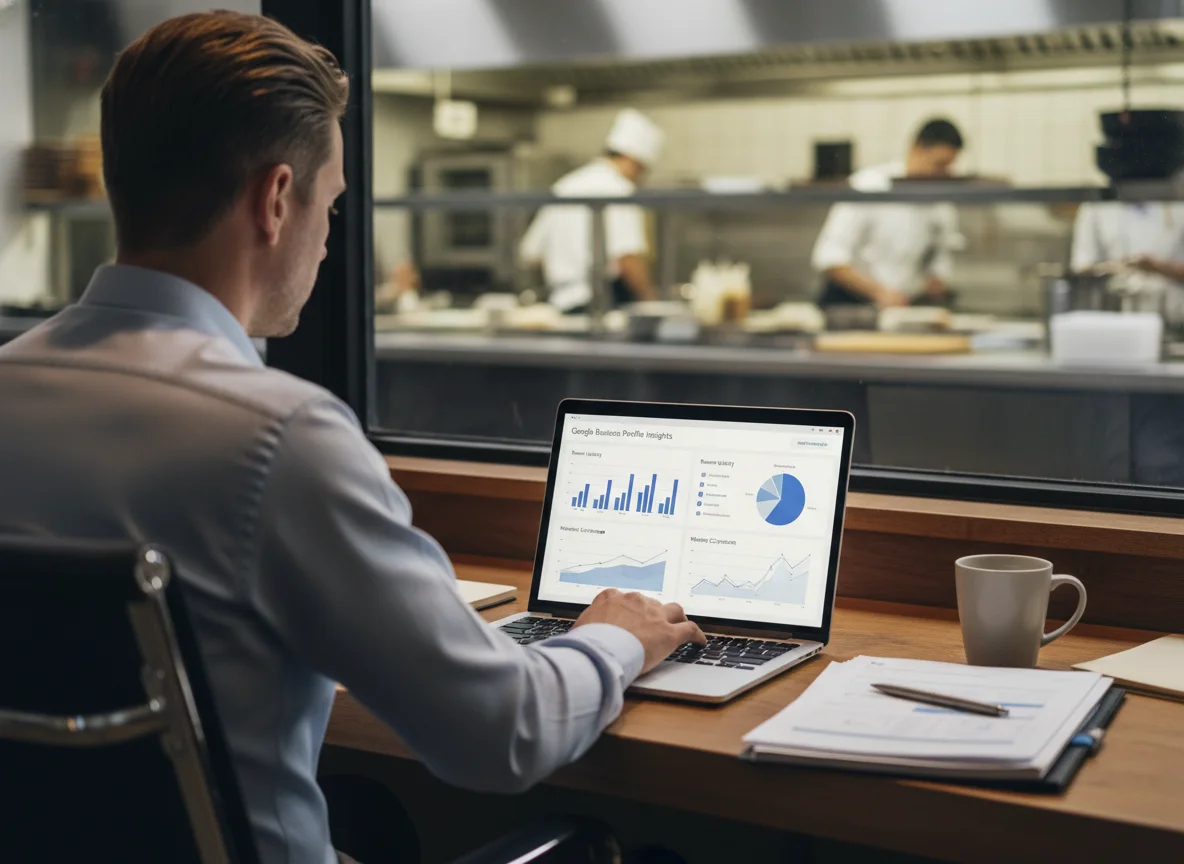
Watch these metrics first: profile calls, direction requests, booking/menu clicks, and review response speed. Then compare them to campaign spend and labor effort. This gives a realistic view of what SEO contributes to demand quality.
Do not treat rank snapshots as the final answer. Better rankings matter only if they produce actions tied to revenue.
A practical scoring model can keep decisions objective. If map actions rise but booking completion drops, the issue is likely conversion, not visibility. If profile views are flat but direct search demand is rising, brand search may be improving while non-branded reach still needs work. Reading these patterns correctly helps small restaurants invest in the right fix first.
- Track local non-branded clicks and conversion events together.
- Separate branded vs non-branded intent to avoid false wins.
- Measure booking completion, not only booking page visits.
- Review offer-level performance every month.
- Compare weekend performance separately from weekdays to find operational gaps.

Need a clear answer for your restaurant?
We can review your current setup and show exactly where SEO is helping, where it is leaking, and what to fix first.
Book a restaurant SEO reviewAuthority expansion
When restaurant SEO services work, and when they quietly waste budget
Pain: restaurant owners often pay for monthly SEO and still feel blind. Reports mention rankings, but nobody can explain whether those changes improved lunch traffic, reservations, or order flow. That is not a small problem. It is a scope problem.
| Service model | What usually happens | Business result |
|---|---|---|
| Audit-only SEO | A site or profile gets cleaned up once, but no one owns weekly follow-through. | Some early lift, then a stall. |
| Technical-only monthly SEO | Keywords and reports improve, but reviews, offers, and booking paths stay weak. | Visibility may move, but conversion stays inconsistent. |
| Operational restaurant SEO | Profile updates, review workflow, website conversion, and local content move together. | Better call quality, better booking flow, and more durable local demand. |
That is the comparison owners should use. Ask what gets touched every week, what gets measured every month, and who owns the fixes after the report is sent.
Local examples
Why one SEO plan behaves differently across Indianapolis-area restaurant types
A downtown lunch spot, a family restaurant in Carmel, and a late-night concept in Broad Ripple do not need the same page emphasis. They may share the same SEO principle, but their proof, offer timing, and search behavior are different.
- Downtown lunch brands: need faster menu clarity, stronger weekday offer posts, and a direct order or reservation path.
- Family dining in Carmel: usually benefits from review trust, event-friendly information, and calmer booking flow.
- Nightlife-driven concepts: need up-to-date hours, fresh imagery, and stronger local intent around atmosphere and specials.
This is why generic SEO retainers underperform. The work has to match the real demand pattern around the restaurant.
Pricing and scope clarity
What restaurants should expect inside an SEO retainer
If a restaurant owner cannot tell what work is included, the retainer is too vague. Strong scope language keeps both sides honest and keeps results easier to judge.
- Foundational scope: profile cleanup, keyword mapping, website audit, and reporting setup.
- Monthly growth scope: recurring profile posts, review support, local page improvements, and KPI reporting.
- Cross-channel scope: adds website support, menu image improvements, and offer alignment across social and search.
Some restaurants only need the first level. Others already have traffic and mainly need conversion support. The point is to buy the right scope, not the biggest package.
Internal-link support
Pages that should support this SEO article
Authority gets stronger when this post feeds readers into the pages that solve the next question. The goal is not more links. The goal is the right links.
- Link to your main restaurant SEO or local SEO service page for buyers who are ready to talk scope.
- Link to website support pages because conversion often limits SEO performance more than rankings do.
- Link to menu image or brand presentation posts when visuals are holding back clicks and orders.
- Link to location pages or city pages that match your strongest real-world service areas.
This turns the blog into a working path instead of a dead-end article.
Restaurant SEO FAQs
Common owner questions
Do SEO services actually work for small restaurants?
Yes, when service execution includes profile operations, review management, web conversion, and local intent content tied to business outcomes.
How long before a small restaurant sees results?
Early movement often shows in 4-8 weeks, with stronger compounding after 8-12 weeks of consistent execution.
Is Google Business Profile enough without website updates?
No. Profile visibility gets attention, but website clarity determines how much of that demand converts.
Should we stop ads if SEO starts improving?
Not necessarily. Keep ads for strategic campaigns, but reduce dependency as organic local demand becomes stable.
What is the fastest first fix?
Clean up profile data, align booking/menu links, and improve the top two conversion pages used by local visitors.
What should an SEO report show a restaurant owner?
It should show what changed, what moved, and whether calls, bookings, orders, review response speed, or map actions improved. If it cannot answer that, the report is too abstract.
Can restaurant SEO work without fresh content every week?
It can work with light publishing if core profile updates, review responses, and page fixes stay consistent. The key is regular operational upkeep, not endless blog volume.
Quick summary
When SEO services work for restaurants
- Core truthSEO works when execution is operational and connected.
- Fast moveFix profile, reviews, and website conversion as one workflow.
- Business outcomeMore qualified calls, bookings, and repeat local demand.
Related resources
Loading related resources...
Loading recent posts...