Restaurant SEO Playbook
Is Local SEO for Restaurants Worth It in 2026?
If you run a small restaurant, local SEO for restaurants is still one of the highest-return channels in 2026. The difference is that it only pays off when Maps visibility, reviews, offers, and the website are managed like one system.
Key takeaways
Local SEO is worth it when it is treated like operations: profile quality, review flow, website conversion, and weekly measurement.
- Pain: owners lose nearby demand to better-optimized competitors.
- Fix: tune Google Business Profile, local pages, and review operations.
- Result: more calls, bookings, and high-intent orders with lower ad pressure.
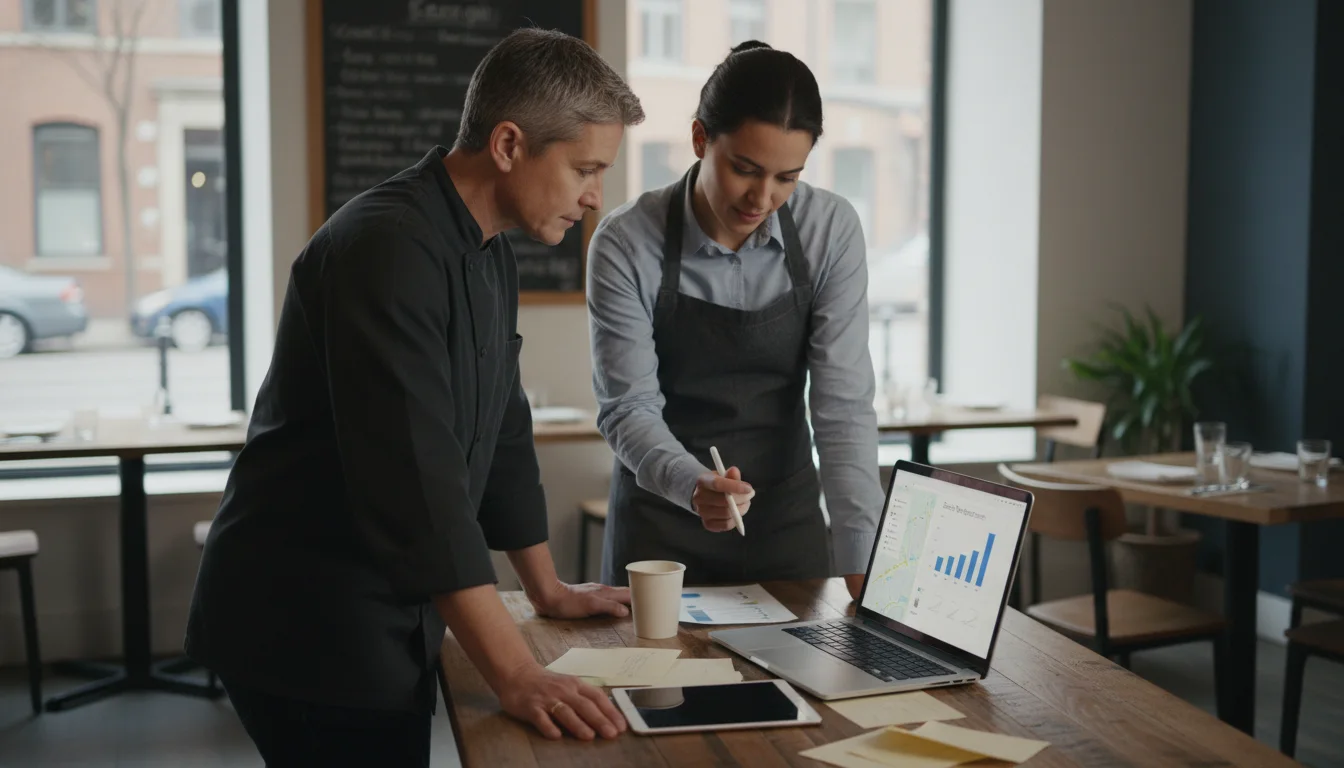
The real pain owners feel before they fix local visibility
Picture a Friday lunch shift in Indianapolis. Your dining room is half full. Delivery tickets are slow. Staff asks why it feels light even when the neighborhood is busy. You open Google and search your category plus "near me." You are not in the top map results. A weaker restaurant with better profile signals is there instead.
That is the pain we hear each week. The food is good. The service is strong. But discoverability is weak. Owners do not lose because they are not trying. They lose because local search rewards consistency, structure, and trust signals that many teams never operationalize.
When this happens, stress rises fast. Managers start changing offers every week. Teams post random content. Budget gets pushed to paid ads to fill gaps. But the root issue is still the same: no clear local search system.
Why local SEO for restaurants still wins in 2026
Search behavior keeps moving toward local intent. People ask for "best lunch near me," "family dinner in Indianapolis," "late night tacos Carmel," and "restaurant with patio." These are high-intent moments. If your profile and pages are ready, you capture demand before the click becomes someone else’s booking.
Local SEO for restaurants works because it compounds. A good week of profile updates helps. Three months of disciplined updates, review responses, local page refreshes, and offer posts changes your baseline visibility. Once that baseline rises, each new campaign performs better.
Paid ads can still play a role. But paid should amplify a strong local foundation, not replace it. If your Google Business Profile for restaurants is weak, ads become expensive patchwork instead of growth leverage.
Pain to fix to result framework you can run every week
Pain
Low map impressions, inconsistent photos, and stale business updates.
Fix
Weekly profile updates, review response SOP, local landing page tuning, and offer cadence.
Result
Higher map actions, more call/book clicks, and improved non-branded local rankings.
Keep this simple. One owner or manager should own the checklist. Track what was updated, what moved, and what is blocked. This turns restaurant marketing strategy from random activity into repeatable output.

Google Business Profile for restaurants: highest-leverage fixes first
Start where impact is highest. First, lock core business data: primary category, secondary categories, service areas, hours, and holiday updates. Second, keep menu links and booking links accurate. Third, publish useful updates weekly, not monthly.
Then work on trust signals. Response speed matters. Review quality matters. Photo freshness matters. Many restaurants post once and forget it. Competitors that refresh profile content weekly build stronger local search rankings for restaurants over time. That is why Google Business Profile posts and offers and the right social profile links matter together.
Adding social profiles to your Google Business Profile is usually worth it when those profiles are active and consistent. It gives owners another trust layer, helps users validate your brand fast, and improves click confidence before they choose where to eat.
- Use real category intent in profile fields and service descriptions.
- Answer top customer questions directly in updates and Q&A entries.
- Push one clear weekly offer with a direct booking or ordering action.
- Track map actions: calls, direction requests, website visits, and menu clicks.
Your website still decides conversion quality
Maps visibility gets attention. Your website closes trust. Slow pages, unclear menu structure, or weak calls to action can waste strong local visibility. This is where restaurant SEO services and website support should work together, not in silos.
For most small restaurants, three updates create immediate lift: mobile-first menu UX, one-click booking/ordering paths, and service-area copy aligned with local intent terms. Add FAQ schema and clear internal links so both users and search engines understand your core offerings.
A clear flow helps: profile click, landing section match, then easy action. If those three steps are clean, conversion friction drops quickly.
Where Sowynet's new menu image enhancer fits
When food visuals are weak, local traffic hesitates even if rankings improve. We now use a menu image enhancer workflow to keep dishes real while improving presentation quality. That helps the same SEO traffic convert faster.
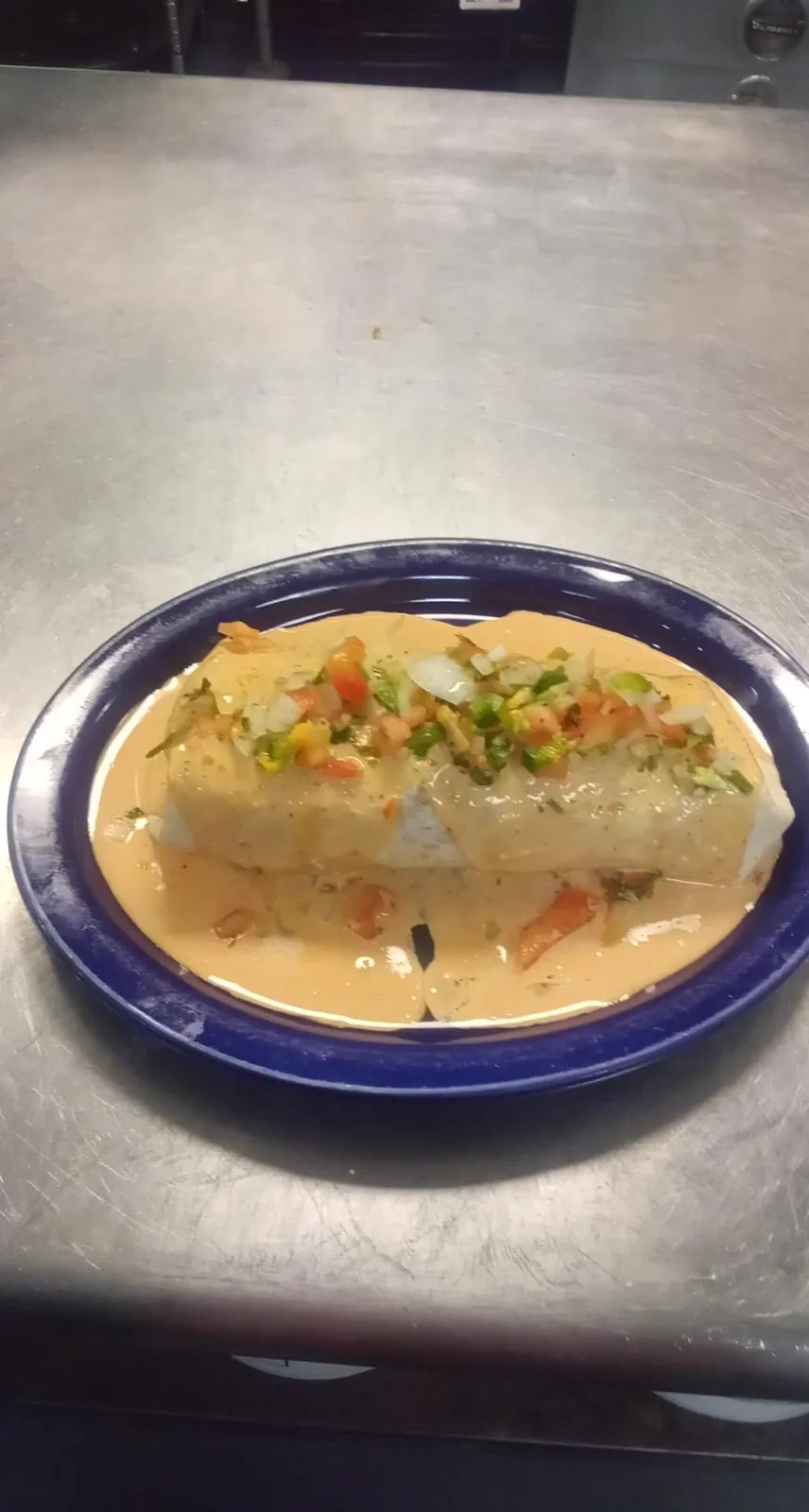
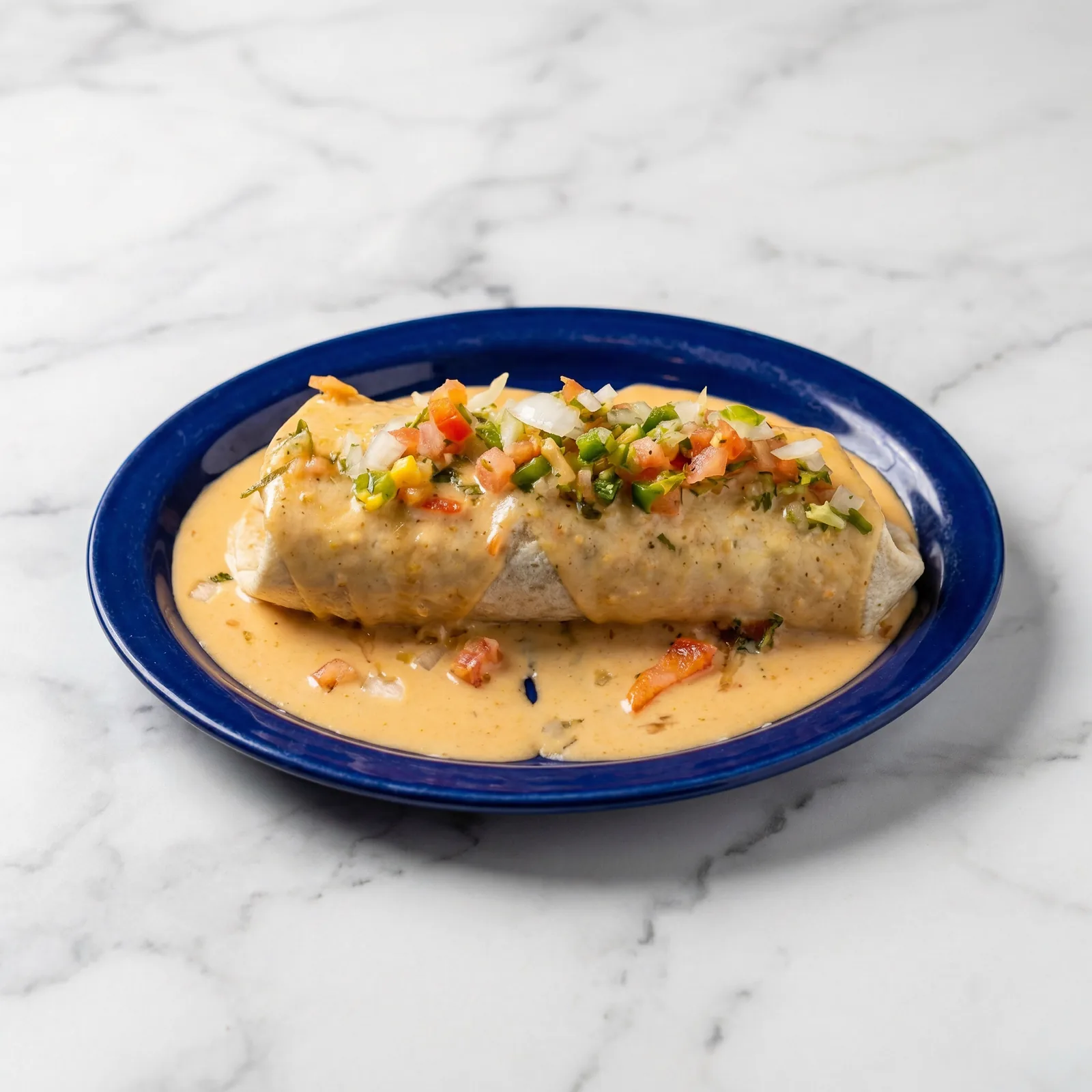
See the full process in our restaurant menu image enhancer blog.
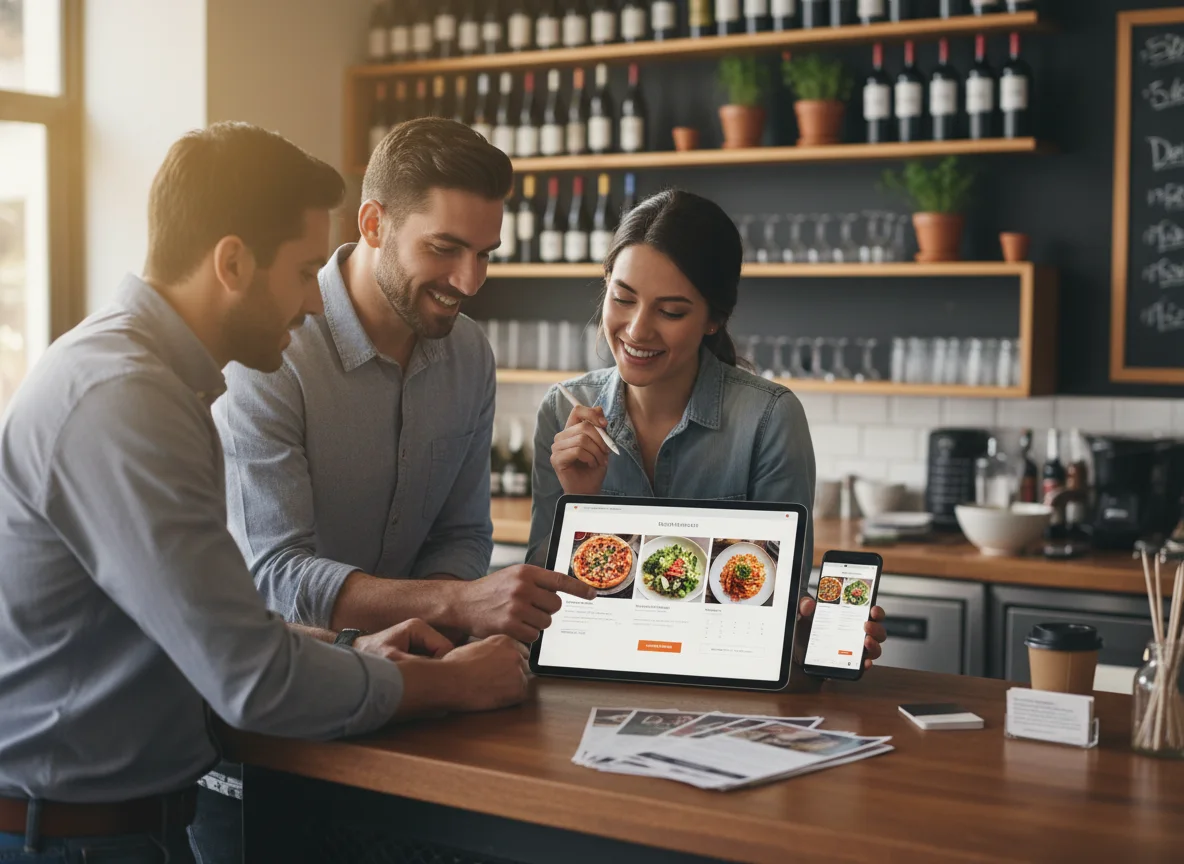
Review operations are not optional anymore
Review count, recency, and response quality are active trust signals. A profile with 300 reviews and no responses looks unmanaged. A profile with 80 reviews and thoughtful owner responses can outperform in perception and action rate.
Build a simple process: ask after positive dining moments, train staff on timing, and respond with clear language. Do not over-automate tone. Local guests spot canned replies quickly. Keep responses short, specific, and human.
When review operations are stable, your brand feels alive. That supports both local search rankings for restaurants and conversion confidence.
90-day local SEO execution plan for small restaurant teams
- Weeks 1-2: profile cleanup, category mapping, hours and menu link audit.
- Weeks 3-4: launch weekly profile post cadence and review response SOP.
- Weeks 5-6: refresh local landing sections and add FAQ schema on core pages.
- Weeks 7-8: collect first KPI baseline and compare map actions to prior month.
- Weeks 9-10: tighten internal linking to menu, booking, catering, and location pages.
- Weeks 11-12: double down on the top-performing offers and local query themes.
This cadence works because it is realistic for busy operators. You are not adding random work. You are reducing waste and moving effort to high-return local search actions.

How to measure if local SEO is worth your budget
Stop using only rank screenshots. Measure outcomes tied to revenue. Track calls from profile, direction requests, booking clicks, menu page actions, and assisted conversions from branded and non-branded local queries.
Then compare two costs: cost to buy that demand with ads versus cost to build and maintain your local foundation. In most small restaurant cases, local SEO has better blended economics after the first few months because traffic keeps compounding.
- Primary KPI: profile actions tied to call, booking, and order intent.
- Secondary KPI: non-branded local impressions and click-through rate.
- Quality KPI: review response rate and median response time.
- Conversion KPI: menu-to-booking or menu-to-order completion rate.
Local examples
How this looks in Broad Ripple, Downtown Indy, and Carmel
Pain changes by neighborhood. A Broad Ripple spot may need stronger late-night and weekend demand capture. A downtown lunch concept may need cleaner weekday visibility and faster menu-to-order flow. A Carmel restaurant may need stronger review trust and a better booking experience because guests compare options more carefully.
Broad Ripple example
Focus on current photos, late-hour updates, and queries tied to patio, drinks, or live atmosphere. Searchers move fast and compare fast.
Downtown Indy example
Prioritize lunch intent, parking clarity, quick menu access, and direction clicks. Office and event traffic needs clean information now, not later.
Carmel example
Lean harder on reviews, family-friendly proof, booking ease, and polished brand presentation. Trust and consistency matter more than volume alone.
Comparison block
What owners should compare before deciding local SEO is worth it
| Approach | Short-term effect | Long-term effect |
|---|---|---|
| Only paid ads | Can create fast traffic spikes. | Demand disappears when spend stops and CPC pressure stays high. |
| One-time SEO cleanup | Helpful for fixing obvious profile and page issues. | Usually stalls if reviews, posts, and offers are not maintained weekly. |
| Managed local SEO system | Builds clearer control over profile, reviews, and conversion paths. | Compounds visibility and lowers future ad dependency when run consistently. |
Pricing and scope clarity
What restaurants are usually paying for when they buy local SEO support
Owners often think they are buying rankings. In reality, they are buying labor and judgment across profile upkeep, review operations, page improvements, local content, and reporting. When scope is vague, disappointment follows fast.
- Lean support: profile cleanup, review response guidance, and basic KPI reporting.
- Growth support: adds ongoing profile posts, page conversion work, and local content updates.
- Full operational support: combines SEO, website support, and recurring offer alignment with restaurant promotions.
The right level depends on how much your team can actually maintain in-house. If no one owns weekly updates, a cheaper package often turns into an expensive stall.
Want help turning these SEO questions into a real plan?
We can organize your ideas into one practical 90-day roadmap and start with the highest-impact fixes for your restaurant.
Book a local SEO planning callLocal SEO for restaurants FAQs
Common questions owners ask
Is local SEO actually worth it for a small restaurant?
Yes, when it is managed as an operating system. Local SEO is usually worth it because it compounds map visibility, review trust, and conversion traffic over time.
Do SEO services actually work for small restaurants?
They work when the service is operational, not just technical. Small restaurants get lift when SEO support includes profile updates, review workflows, and conversion fixes tied to calls, bookings, and orders.
Is adding social profiles to your Google Business Profile worth it?
Usually yes. Social profile links can improve trust and help potential guests validate your brand quickly, especially when your latest offers, menu highlights, and service style are consistent across platforms.
How long does local SEO for restaurants take to show results?
Most teams see early movement in 4-8 weeks and stronger compounding in 8-12 weeks when profile updates, reviews, and page fixes are done consistently.
What matters more, Google Business Profile or the website?
Both matter. Profile quality improves discovery. Website clarity improves conversion. If one side is weak, results plateau.
Can paid ads replace local SEO for restaurants?
Paid ads can help, but they do not replace local SEO. Ads stop when spend stops. Local SEO builds durable visibility that reduces future paid pressure.
Which metrics should I watch first?
Track map actions, call clicks, direction requests, booking/ordering clicks, review response rate, and conversion from local landing traffic.
What is the biggest local SEO mistake restaurants make?
Treating local SEO like a one-time setup. Restaurants usually lose momentum when profile posts, review responses, and website updates stop after the initial cleanup.
What should local SEO link to on a restaurant website?
The strongest internal links usually point to menu pages, booking or ordering pages, catering pages, location details, and related blog posts that answer buyer questions.
Quick summary
Local SEO for restaurants in one view
A practical 2026 framework for restaurant owners who want stable local visibility, stronger review trust, and better conversion from Google Maps and search.
- Primary moveRun profile, reviews, and website conversion as one weekly system.
- Fast winFix profile data, update posts weekly, and tighten booking/menu paths.
- Business resultMore calls, bookings, and repeatable local demand with less ad dependency.
Related resources
Loading related resources...
Loading recent posts...