Restaurant operations + lead recovery
Restaurant Missed Call Follow Up System: Turn Hungry Calls Into Orders and Reservations
A restaurant missed call follow up system helps owners recover after-hours calls, rush-hour phone misses, and reservation leads before they move to the place down the street.
Most restaurant owners do not notice the loss right away. The dining room is moving, someone misses a call, and the team assumes the guest will try again. Many do not. They call the next restaurant, order from a marketplace, or give up.
Pain: missed calls create invisible revenue loss during the exact windows when intent is highest. Fix: use one clear reply path, one owner for callbacks, and one weekly review so every missed call has a next step. Result: more reservations, more takeout conversations, and better recovery from the traffic you already worked to earn.
This is where marketing, local SEO, and operations finally connect. Better posts and better visibility matter, but they matter more when the phone path is clean after the click.
Key takeaways
What makes missed-call recovery actually work
- Reply in minutes Guests who call for food or reservations usually decide fast.
- Keep one handoff owner Someone must own callbacks, not just the software.
- Use simple scripts Short, clear text beats robotic paragraphs.
- Review weekly Recovered calls, lost calls, and common questions show what to fix next.

Pain - Fix - Result
Why a restaurant missed call follow up system matters more than posting harder
Pain: social posts, Google views, and menu clicks create calls, but the team misses some during rushes and after hours.
Fix: route every missed call into one short response path with a callback owner and a small weekly scorecard.
Result: more of the demand you already paid for turns into reservations, takeout orders, and useful customer conversations.
Map the real leak before you add tools
Owners often jump straight to software. That is backwards. First, map when the calls are being missed and what the caller probably wanted. Lunch rush, dinner rush, after-hours catering inquiries, and reservation questions do not behave the same way.
Look at the last two weeks and ask four practical questions:
- Which hours create the most missed calls?
- Are callers mostly asking about reservations, takeout, hours, or catering?
- Does the website answer those questions clearly before the call happens?
- When someone does call, who owns the next action if the first attempt is missed?
That review usually exposes a bigger issue than call handling alone. It shows whether your restaurant website support, Google Business Profile posting rhythm, and restaurant social media marketing are all pointing guests toward the same next step.
Build the first five minutes of the response path
The first reply does not need to solve everything. It needs to confirm the caller reached the right place, offer the easiest next step, and keep the conversation warm until staff can step in.
A practical first-five-minute setup:
- A missed-call text that sounds human and local.
- One quick path for the guest: call back, order link, reservation form, or reply by text.
- One internal note for the team: what was sent, when, and whether a callback is still needed.
- One rule for escalation during service: who calls back first when the rush slows.
If the message tries to do too much, it will sound generic. Short works better: confirm the restaurant, confirm availability to help, and point to one useful action.
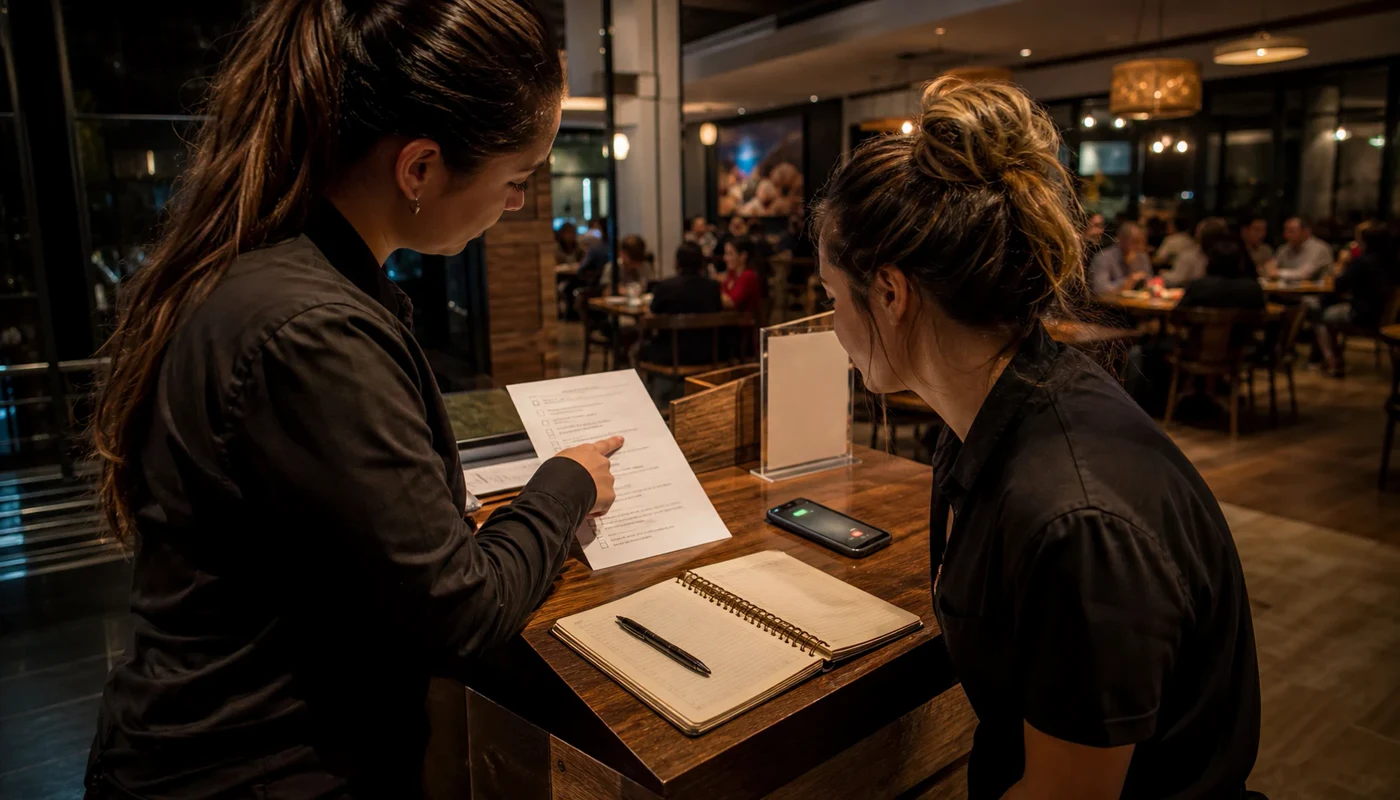
Checklist: the minimum restaurant missed call follow up system
You do not need a giant automation stack to start. You need the smallest system your team will actually maintain every week.
- Write one missed-call text for reservations and one for takeout or general questions.
- Pick one owner per shift for checking unresolved missed calls.
- Send callers to one short path, not three choices at once.
- Log whether the call became an order, reservation, callback, or dead lead.
- Review the missed-call list weekly and fix the repeat reason behind those calls.
That final step matters most. If ten callers each week ask about hours, parking, or order links, the answer is not just more follow-up. The answer is cleaner public information across your pages and profiles.
Connect social, Google, and website traffic to the same handoff
Many restaurants treat channels in isolation. Social gets one strategy. Google Business Profile gets another. The website gets updated when someone remembers. But the guest experiences one path. They see an offer, look you up, call, and expect the answer to be easy.
That is why missed-call recovery supports more than operations. It protects the value of your other marketing work. When a guest comes from a post about a lunch special or from a local Maps search, the follow-up should reflect that same offer and same call to action.
When those three surfaces match, staff spend less time translating confusion into action. That is the practical win owners feel first.
What to review every week so the system improves
Weekly reporting keeps this from becoming another background task no one trusts. You are not trying to build a giant dashboard. You are trying to make the next fix obvious.
- Recovery rate: how many missed calls turned into real conversations.
- Top caller intent: reservations, takeout, catering, hours, or directions.
- Repeat friction: the question guests keep asking because something public is unclear.
Once you know the repeat friction, fix that on the site, in your profile, or in the pinned social content. For example, if weekend callers keep asking how to order, your link in bio order path or menu page probably needs to be simpler.
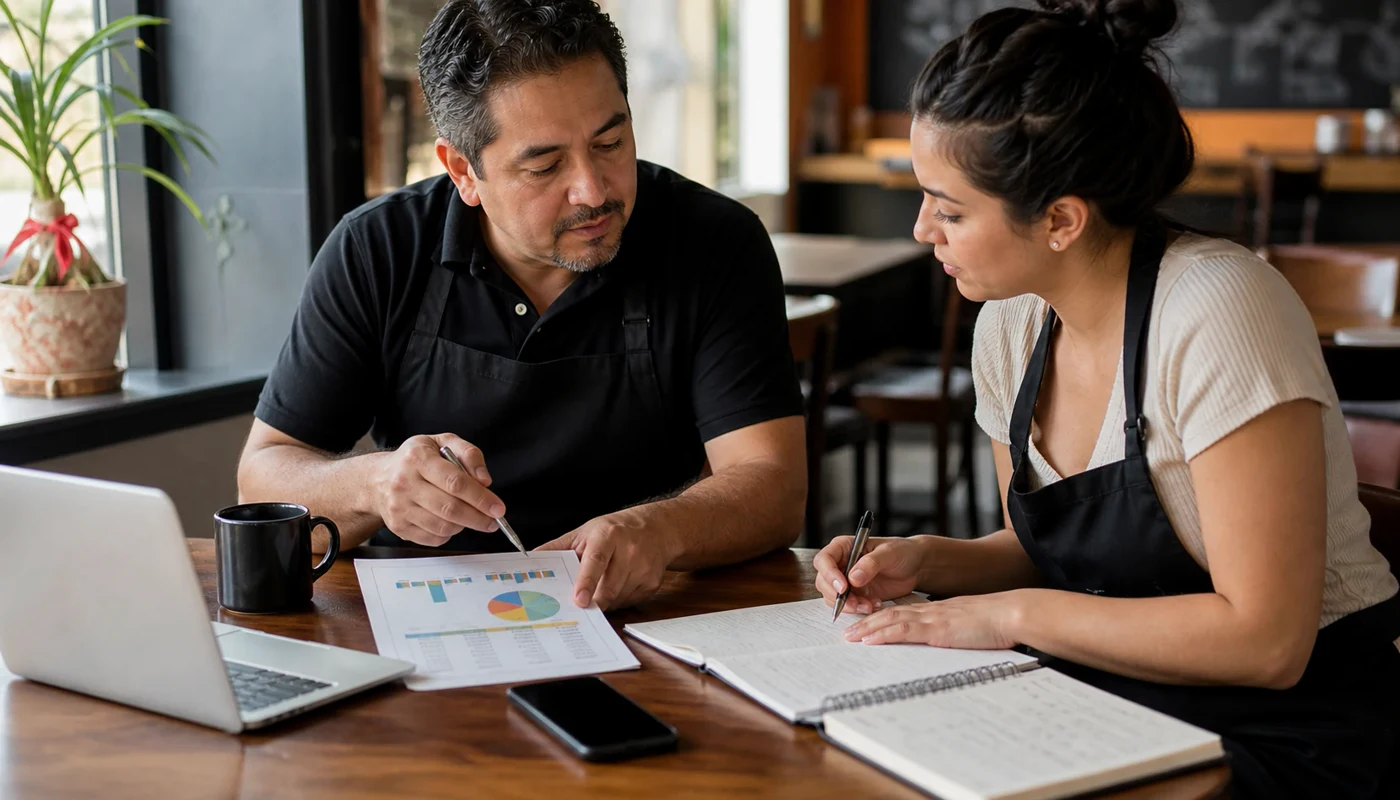
When automation helps and when the team still needs to call
Automation is strongest when it handles the first response and the easy routing. It is weaker when it tries to replace every real conversation. Reservation changes, large catering questions, allergy concerns, and tense customer issues still need a person.
A good rule is simple: automate the confirmation, automate the direction to the right next step, and automate the reminder to staff. Keep the human handoff clear wherever context, empathy, or upsell judgment matters.
That balance fits Sowynet's operating approach well. The system should reduce hidden losses and operator stress, not make the restaurant sound like it outsourced hospitality.
Next step
Want a missed-call recovery system that fits your restaurant?
Sowynet can map the real leak, tighten your public call paths, and build a practical follow-up workflow that supports orders, reservations, and better reporting.
Frequently asked questions
Questions owners ask before they fix this
How fast should a restaurant answer a missed call?
The first response should go out within minutes, even if it is just a short text that confirms the guest reached the right place and explains the next step.
Should restaurants text back every missed call?
Most should, as long as the message is clear, useful, and tied to a real callback or order path. The point is to recover intent, not to flood people with automation.
What should be inside a restaurant missed call follow up system?
Start with a missed-call text, a callback owner, a short log of outcomes, and a weekly review of recovered reservations, orders, and unanswered calls.
Can this help social media and Google traffic too?
Yes. Social posts, Google Business Profile views, and menu page visits often turn into phone calls. A better follow-up path helps that traffic produce more real conversations.
Quick summary
Short version for busy teams
Pain: restaurants lose orders and reservations when high-intent calls get missed and nobody owns the follow-up. Fix: set one fast text path, one callback owner, and one weekly review. Result: more recovered conversations and less waste from the traffic you already earned.
Related reading
Pages and guides that support this workflow
Loading related resources...
Loading recent posts...