Social media marketing
Restaurant Slow Day Specials: A Simple System That Leads to Orders
If Tuesdays are quiet, you don’t need “more content.” You need one offer your team can run every week, with a posting plan that makes ordering easy.
Most restaurants already know which days are slow. The problem is what happens next: someone posts a “special” at 2pm, the offer is unclear, and the link path is messy.
That’s why restaurant slow day specials often feel like they “don’t work.” The offer might be fine, but the system is missing.
This guide gives you a repeatable way to plan one special, promote it on social, and tie the work back to calls and orders instead of guesswork.
Key takeaways
What makes a slow-day special actually move
- One weekly offer Don’t rotate five ideas. Run one offer long enough to learn what works.
- Three simple touches 48 hours before, day-of reminder, and one story/video in between.
- Short path to order Send people to the ordering link or a fast offer page, not the homepage.
- Track 3 numbers Offer link actions, slow-day revenue, and average ticket impact.

Pain - Fix - Result Framework
Why slow-day specials feel random
Pain: Specials are posted inconsistently, the offer changes every week, and guests don’t know where to order.
Fix: Pick one margin-safe offer, promote it with a simple schedule, and link to one clear ordering path.
Result: More people take action, staff execution gets easier, and you can improve the offer with real data.
Restaurant slow day specials fail when the offer is unclear
Guests decide fast. If the special is vague (“taco deal today!”) or has too many conditions, the message turns into a DM conversation instead of an order.
Use this clarity checklist before you post:
- What is it? One sentence. No inside language.
- When does it run? Day + time window.
- How do I get it? Dine-in only? Takeout? Delivery? Be explicit.
- Where do I order? One button/link path.
This isn’t “marketing fluff.” It’s operational: your team needs the same clarity your guests need.
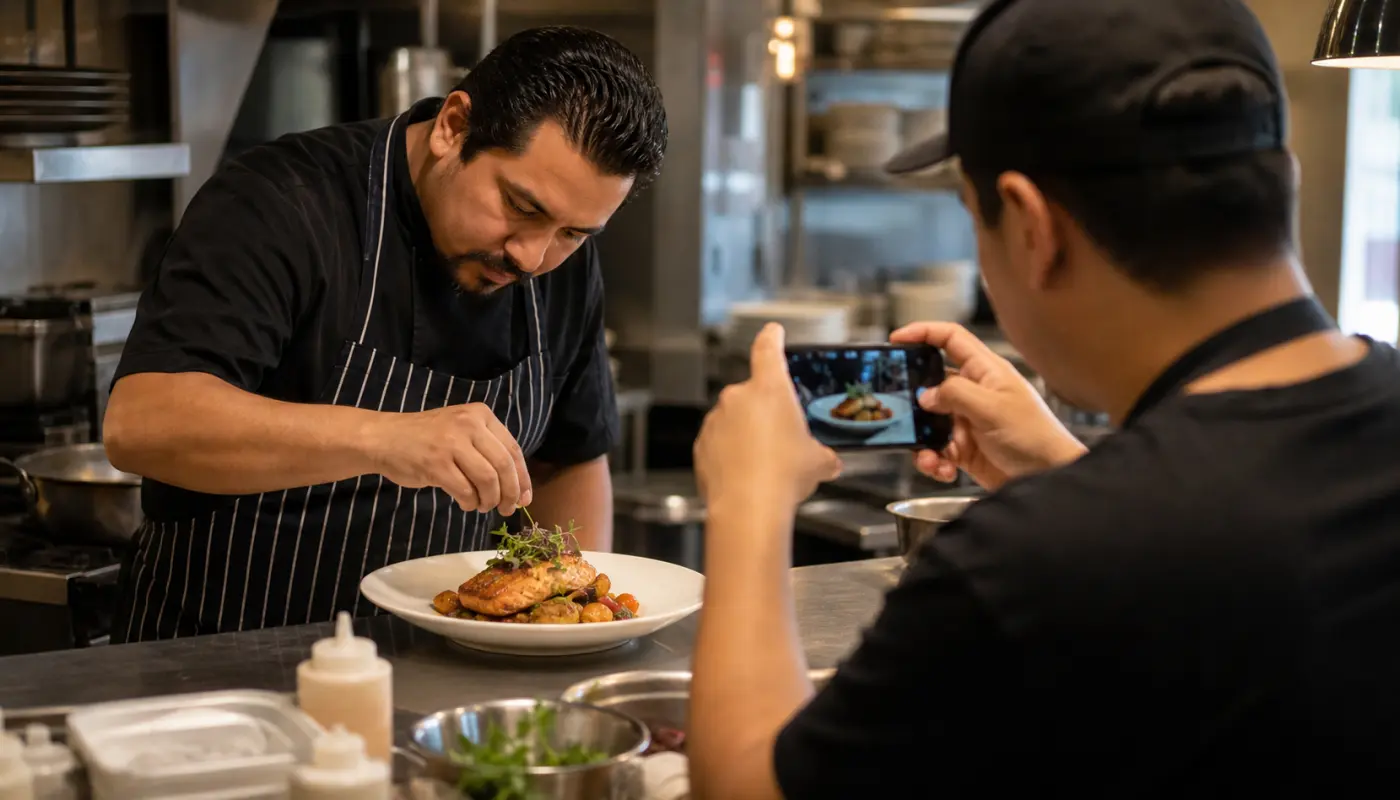
Choose a margin-safe special (without training discounts)
The goal isn’t to be cheaper. The goal is to be easy to say yes to on a slow day.
Four offers that tend to work well:
- Bundle: “2 entrées + 1 app” that protects ticket size.
- Upgrade: “Add chips + salsa for $X” or a drink add-on.
- Time window: early bird or late-night special so you don’t overload peak hours.
- Weekly feature: a rotating featured dish (limited run) that keeps interest without discounts.
If you need help choosing, start with what you already know: the items that move fast, photograph well, and don’t create kitchen chaos.
The weekly posting system (copy/paste playbook)
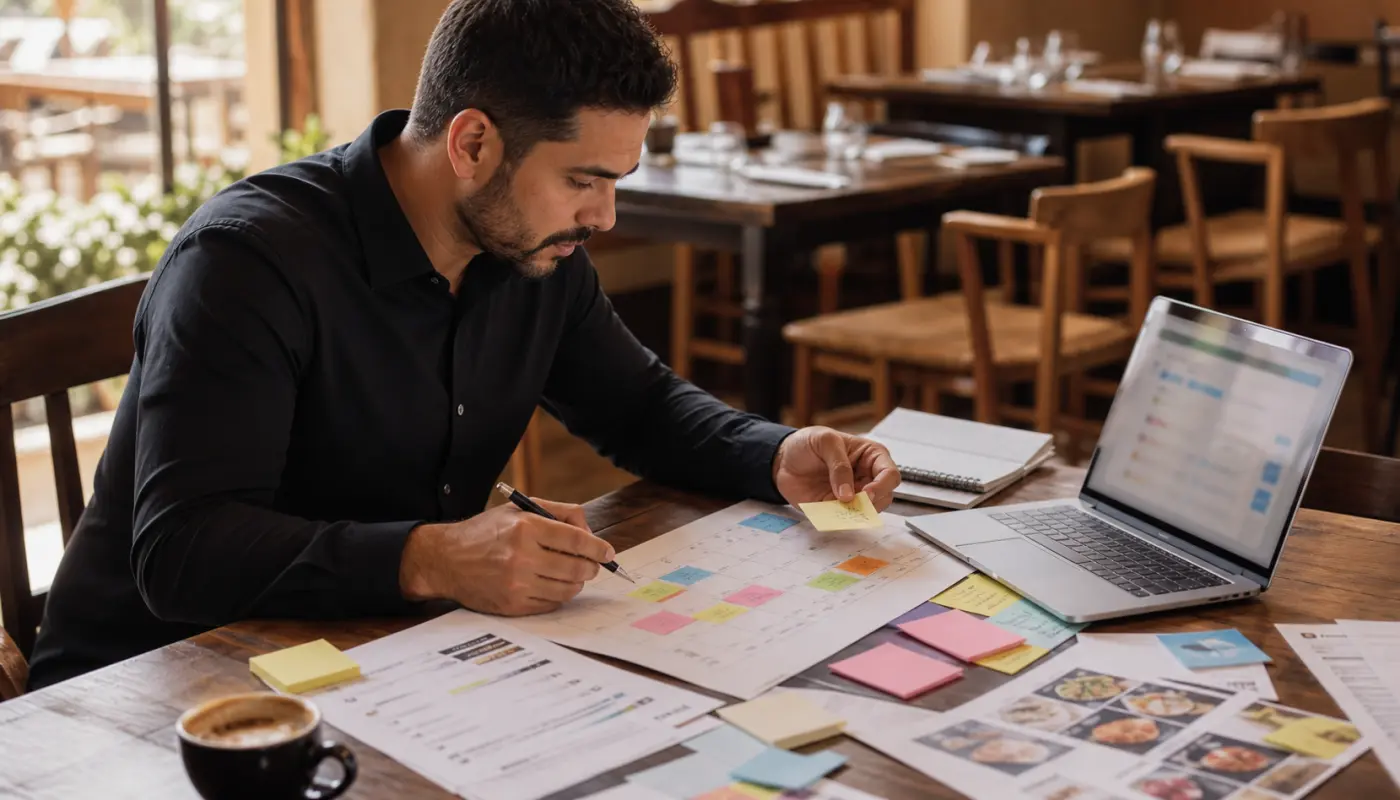
Consistency is the secret. Run the same rhythm every week so your team knows what’s coming and guests learn what to expect.
- 48 hours before: one post that explains the offer in one screen + one clear link destination.
- 24 hours before: one story or short clip (kitchen prep, plating, or a customer-favorite angle).
- Day of: one reminder post (or story) with hours + “Order now” call-to-action.
- After: one quick “sold out / thanks” story and save the best one to a highlight.
Pair this with your pinned post and link path so anyone who sees the special can order in seconds:
- Pinned posts system for restaurants (make the offer easy to find)
- Restaurant link in bio page (make ordering one tap)
Make the path to order short (or the special won’t matter)
If a guest has to hunt for the menu, open a slow PDF, or pick between four ordering providers, the “special” becomes friction.
Use one of these fast paths:
- Online ordering link: one primary provider you want guests to use.
- Fast offer page: a lightweight page with the special, hours, and one button.
- Google Business Profile post: for local intent, GBP can capture “near me” searches the same day.
This is where social and SEO overlap. When your hours, menu links, and offer messaging match everywhere, conversion goes up.
How to track results (without a complicated dashboard)
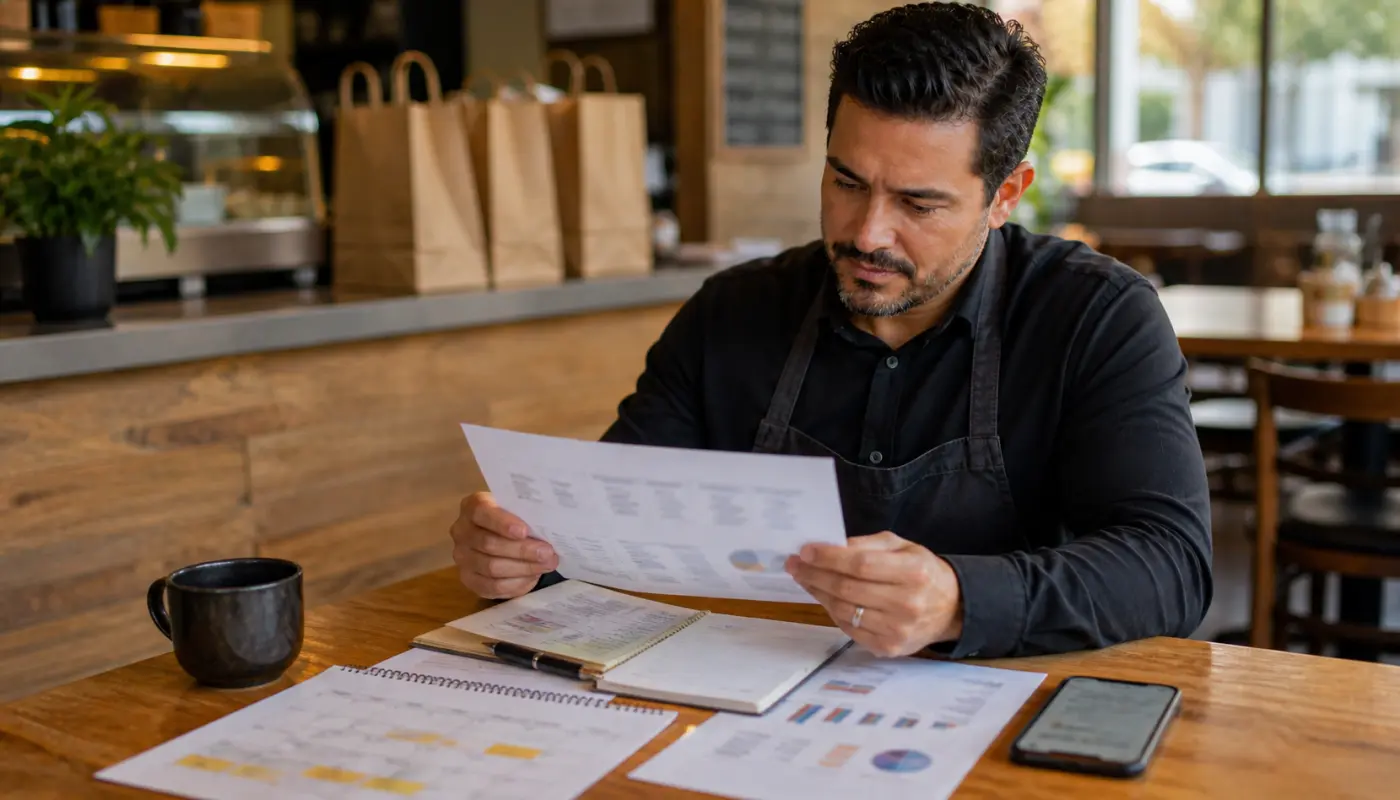
You don’t need perfect attribution. You need a weekly view that tells you whether the special is worth repeating.
- Offer link actions: clicks to your order/menu link with UTM labeling.
- Slow-day revenue: compare this Tuesday to the last 3 Tuesdays.
- Average ticket: confirm you didn’t increase volume by lowering order size.
After 3–4 weeks, you’ll know whether to keep the offer, tweak the message, or try a new angle.
If the special doesn’t move, fix the bottleneck (not the day)
Before you replace the offer, check where the system is breaking:
- Message: is the offer clear in one screen?
- Path: does the link go to the right place on mobile?
- Proof: do you show one strong review or a real customer moment?
- Execution: can the kitchen and front-of-house deliver it smoothly?
If you tighten those four, most specials improve without becoming a “discount spiral.”
Next step
Want a weekly specials system built for your restaurant?
Sowynet helps restaurants set up a simple offer + posting system that connects social content to a clean link path, local presence, and weekly reporting.
Frequently asked questions
Questions owners ask before running specials
What are good restaurant slow day specials that don’t kill margins?
Use margin-safe offers like bundles, add-on upgrades, early bird windows, or a weekly featured dish. Avoid training guests to wait for deep discounts.
How many posts should I run to promote a slow-day special?
Start with three touches: a post 48 hours before, a story or short clip in between, and a day-of reminder. Keep the offer and ordering path consistent.
Should my slow-day special go to my website or ordering link?
Send guests to the shortest path: your online ordering link or a fast offer page with one clear button. Avoid sending them to a generic homepage.
How do I track if the special worked?
Track three numbers weekly: actions on the offer link, slow-day revenue compared to recent weeks, and whether average ticket stayed healthy.
Quick summary
Short version for busy teams
Pain: slow days stay slow because specials are posted last minute, the offer is unclear, and ordering is hard. Fix: pick one margin-safe special, promote it with a weekly schedule, and send guests to one fast ordering path. Result: more calls and orders on the day you need it most, and a system your team can repeat.
Related reading
Explore related guides and service pages
These links expand the full system: offer planning, conversion path, and local presence.
Loading related resources...
Loading recent posts...